
SFAI.02
Open-source design and accessibility as tools for rethinking local production
Design residency programme presented at La Carpintería, Ibiza
(June 2025 – June 2026)
The second edition of Something for an Island opens with designer in residence Sina Sohrab. The programme explores the potential of open-source design and accessibility as tools to rethink local production and its connection to specific contexts and communities, through processes of research, experimentation and production.
Project: CAL — Common, Adaptable, Lightweight
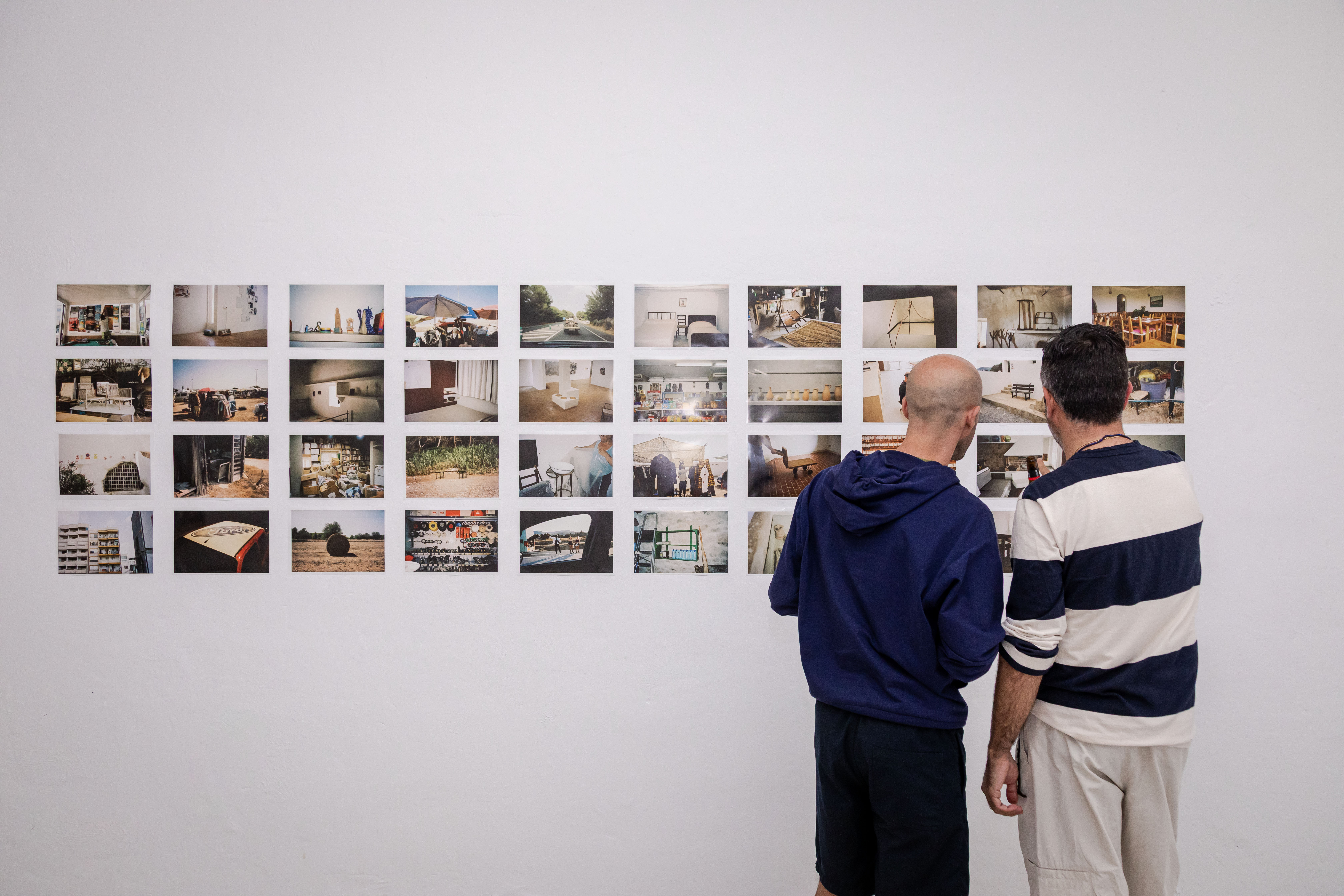
Ibiza is a messy place. An accumulation of transplanted cultures too dense to categorize, mapped onto a built landscape that is equally fragmented. Attempts to catalog this condition are doomed from the start, which is somehow to be expected for a place that juggles Las Vegas, Goa, and Pompeii on any given day.
In practice, Ibiza runs on an improvised construction language. This language is elastic and inconsistent, capable of legitimizing everything from vernacular bricolage to contemporary development. Given this, it seems most fitting to look toward interventions that readily support improvisation
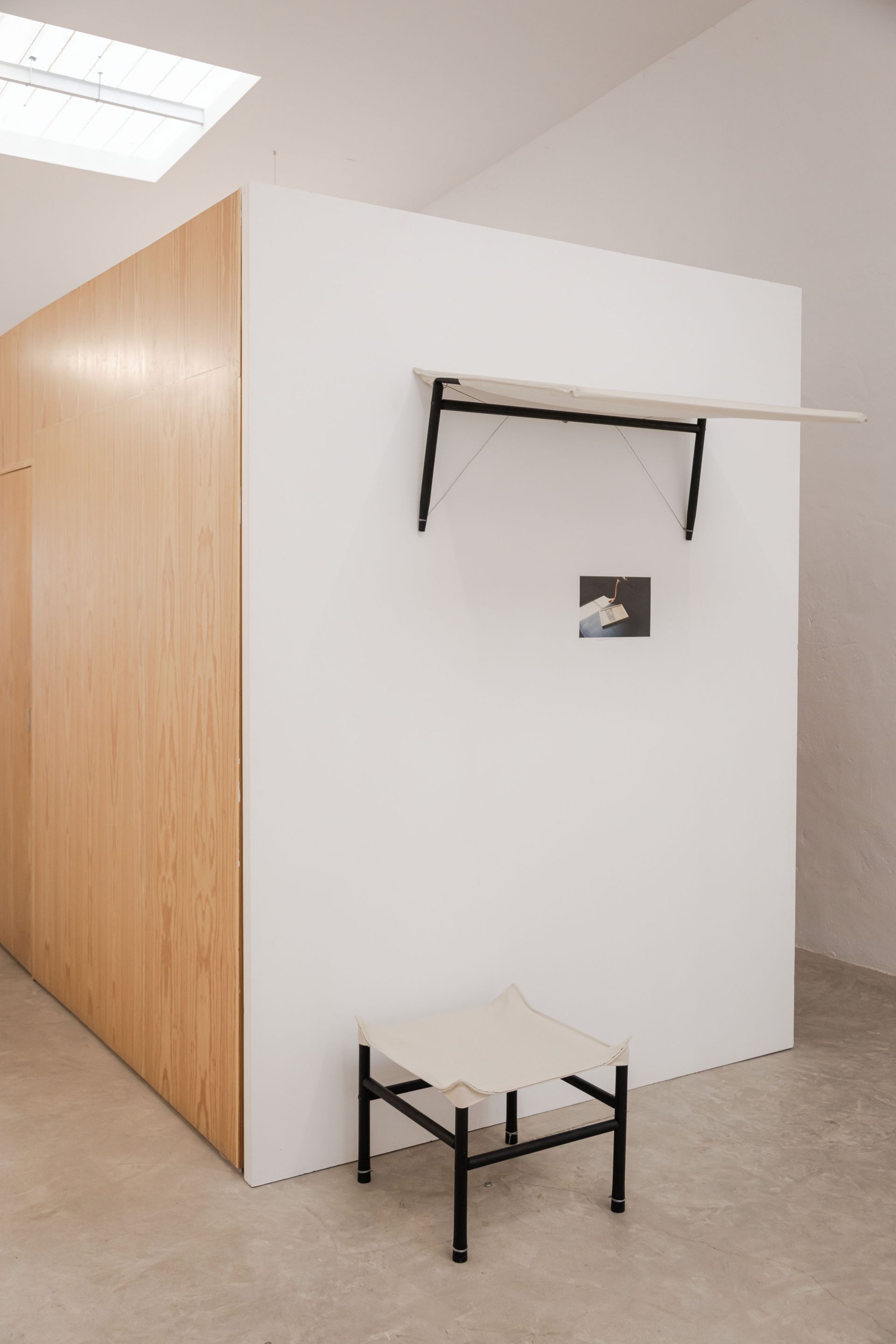
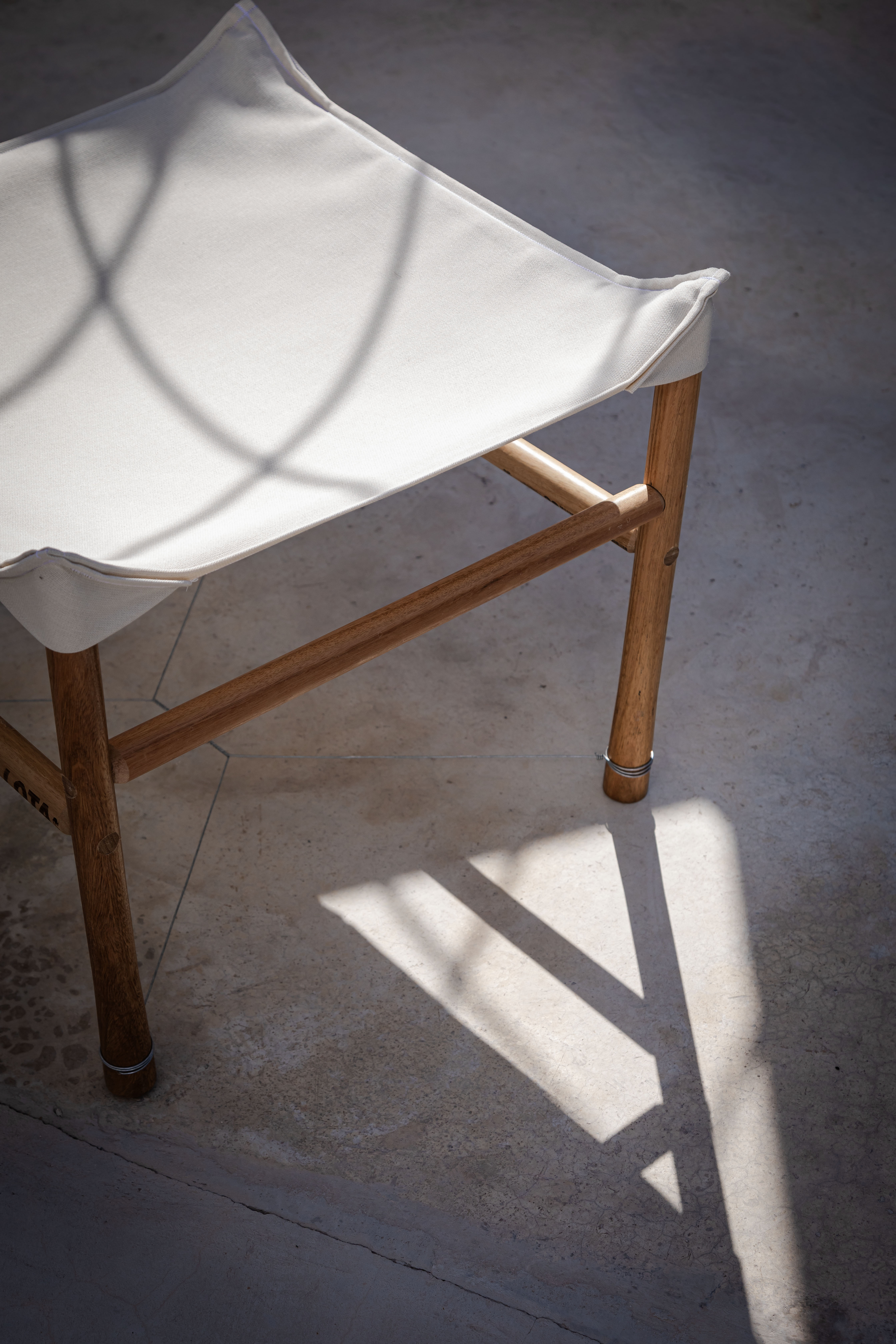
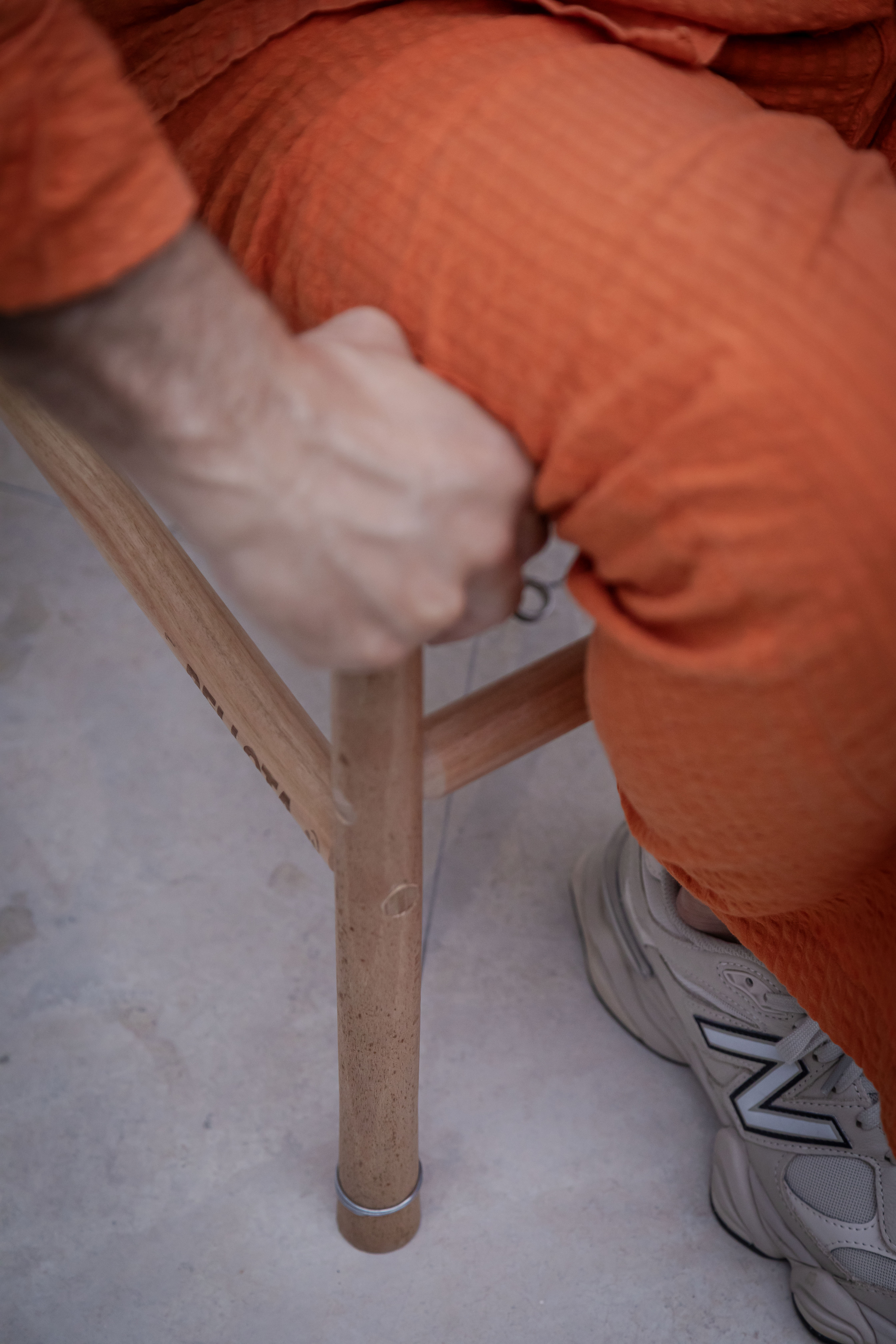
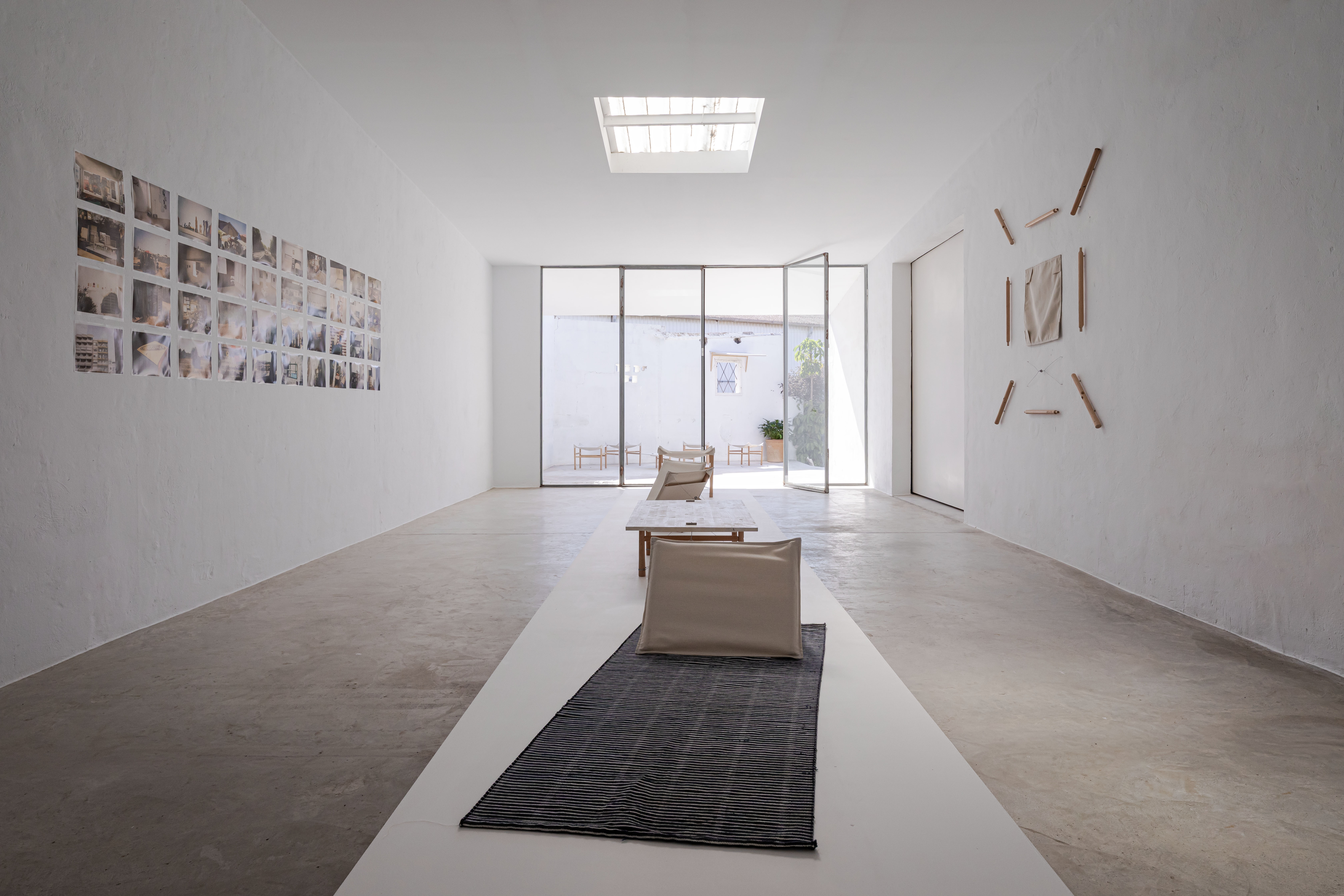
Drawing on the island’s long history of site-responsive structures, CAL (Common, Adaptable, Lightweight) proposes a construction system which allows local materials to be quickly fixed into practical objects; lightweight interventions that are adaptable across beach, city, and countryside. Referencing a wide range of Ibiza’s construction traditions, spanning textiles and hardware in the marine industry to wood and reed constructions in the country, the underlying principle is simple: rigid members are held in tension between spans of textile and lengths of twisted metal wire. Like cal, the lime coat that unifies Ibiza’s equally improvised walls, disparate parts are unified into a functioning whole and covered with a homogeneous surface.
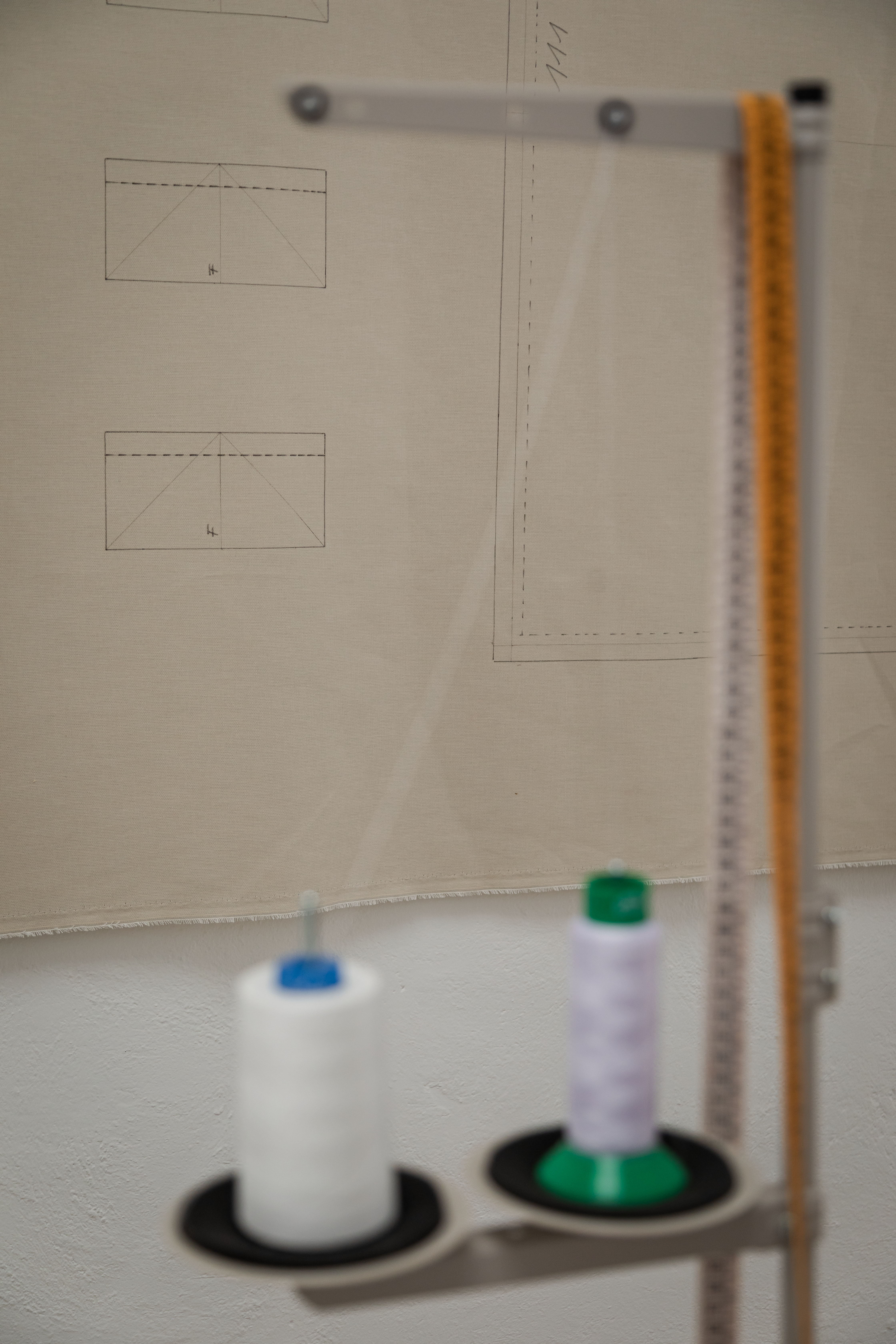
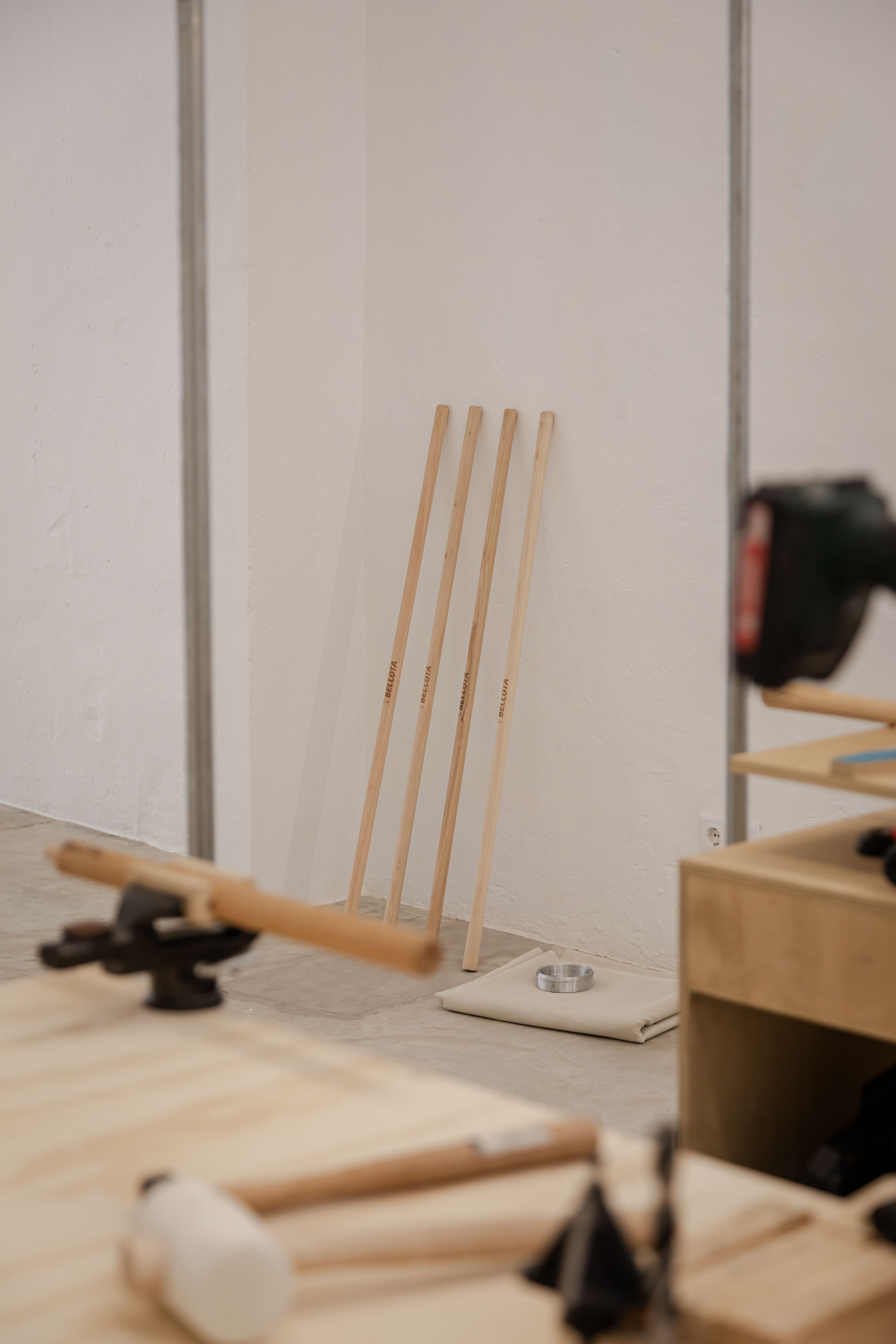
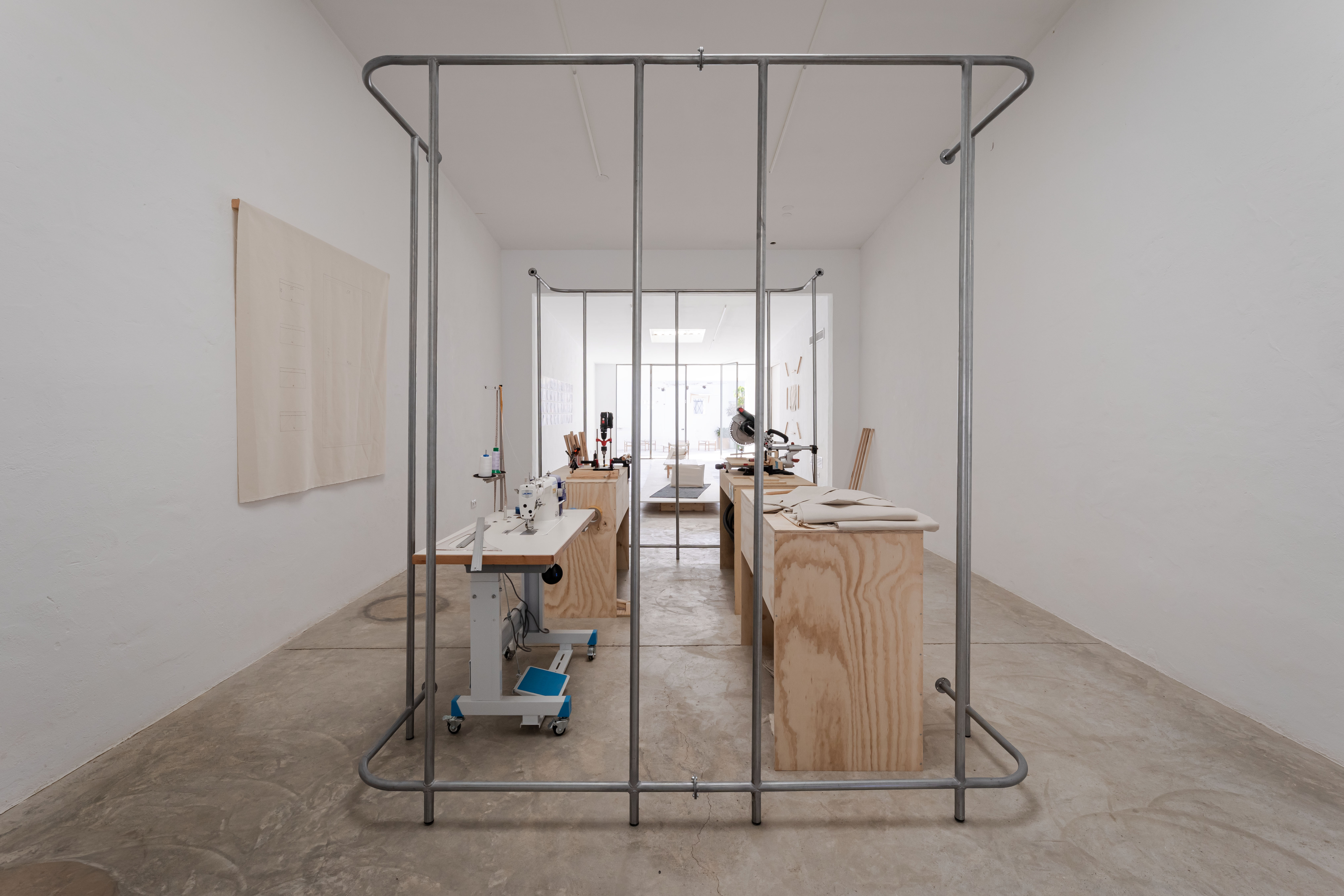
This exhibition interpolates on that theme using outdoor fabric, tool handles, wire, and marine hardware sourced across the island. The objects presented include stools, backrests, wall shades, and tables. The fabric elements were developed without the need for complex patterns and the wood elements are standard sizes available at most hardware stores, only cut to length.
The results are examples of what the construction principle can allow for, but are not definitive ends. They show that when it is deployed appropriately, one can build things which hold weight, resist wind, and mediate exposure to sun and air. The proposal is, by definition, unfinished until it is built by someone in their context, with the materials available to them.
About the programme
Through these explorations, the residency becomes a platform to test how design can remain adaptable, collaborative and context-sensitive, proposing models of production that are accessible, sustainable and rooted in the material and social realities of Ibiza.
Designer

Sina Sohrab
SFAI.02
Sina Sohrab is an industrial designer based in Madrid, whose practice spans furniture, product and exhibition design, as well as design-led research projects. His work has been recognised and presented internationally, and in 2024 he was selected by Phaidon as one of the 100 Best Product Designers in Designed for Life: The World’s Best Product Designers.
Residency: SFAI.02
Web: sinasohrab.com
Contents