OUR SOUL IS AIR
A 4-day programme spread across two weekends that used wind as its metaphorical starting point
(April – May 2023)
Public programme presented at La Carpintería, Ibiza
Curated by Elise Lammer in collaboration with Andrea Rodríguez Novoa
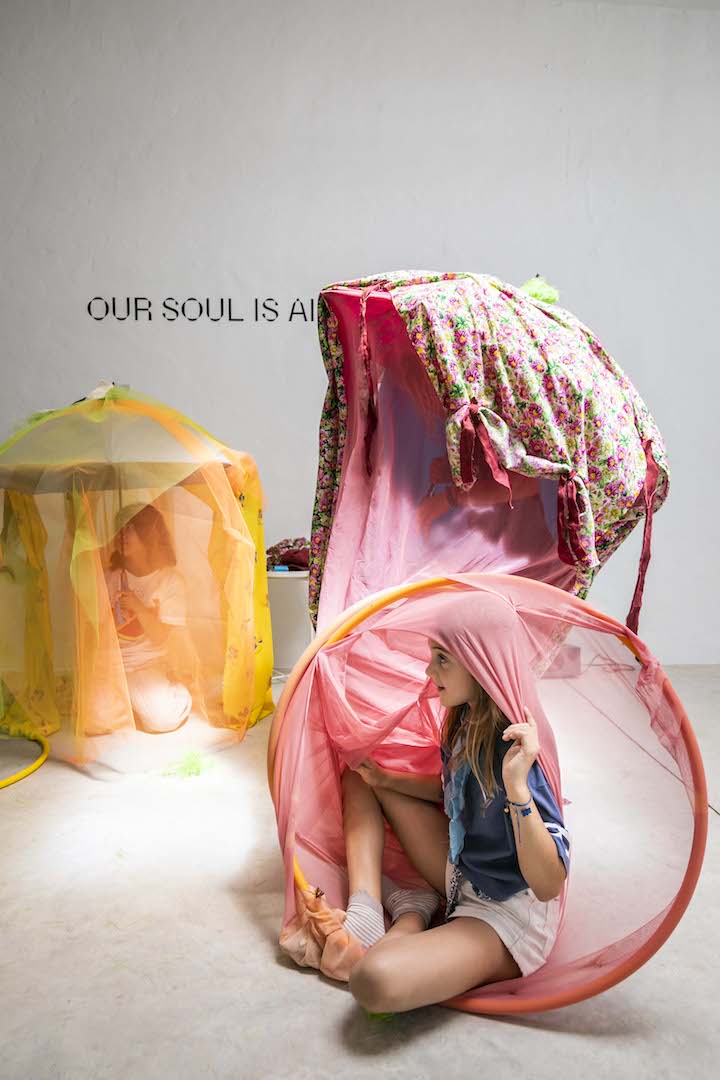
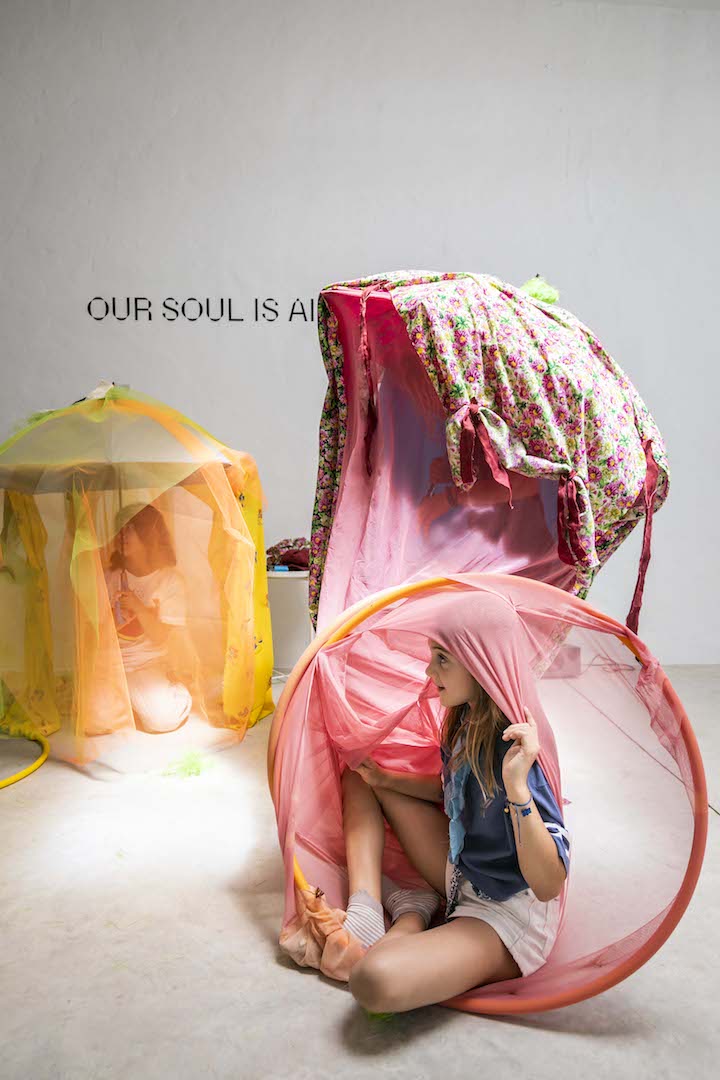
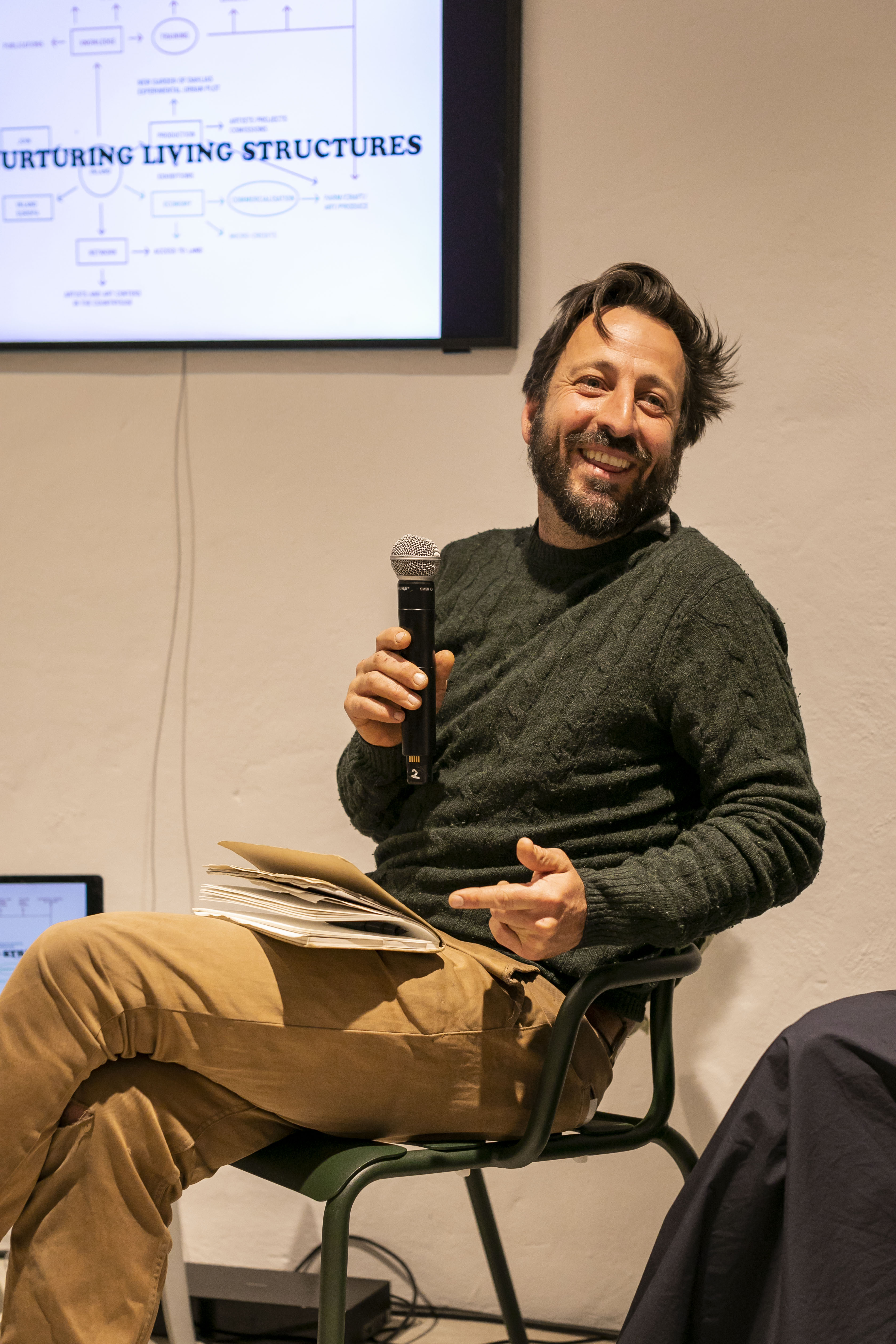
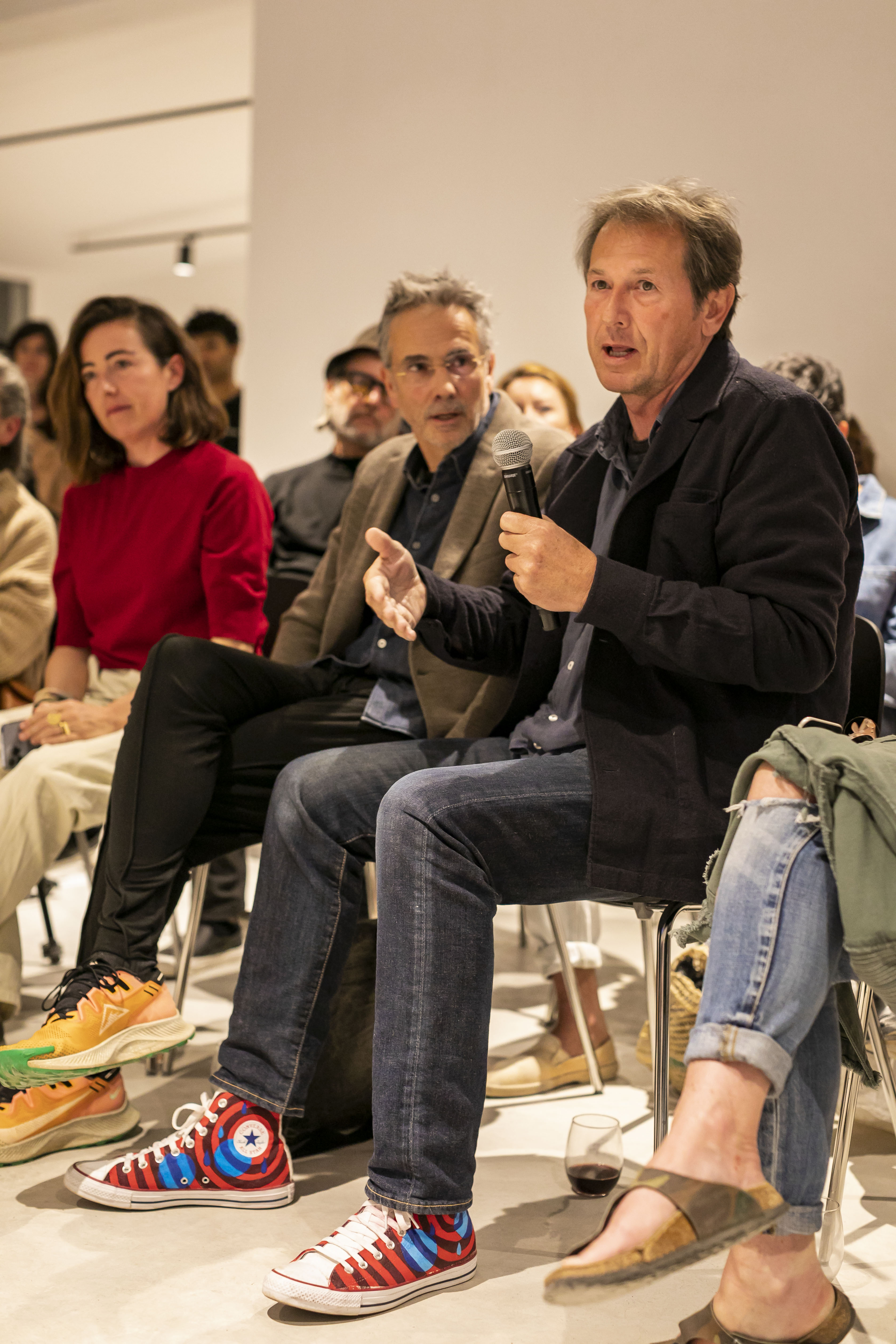
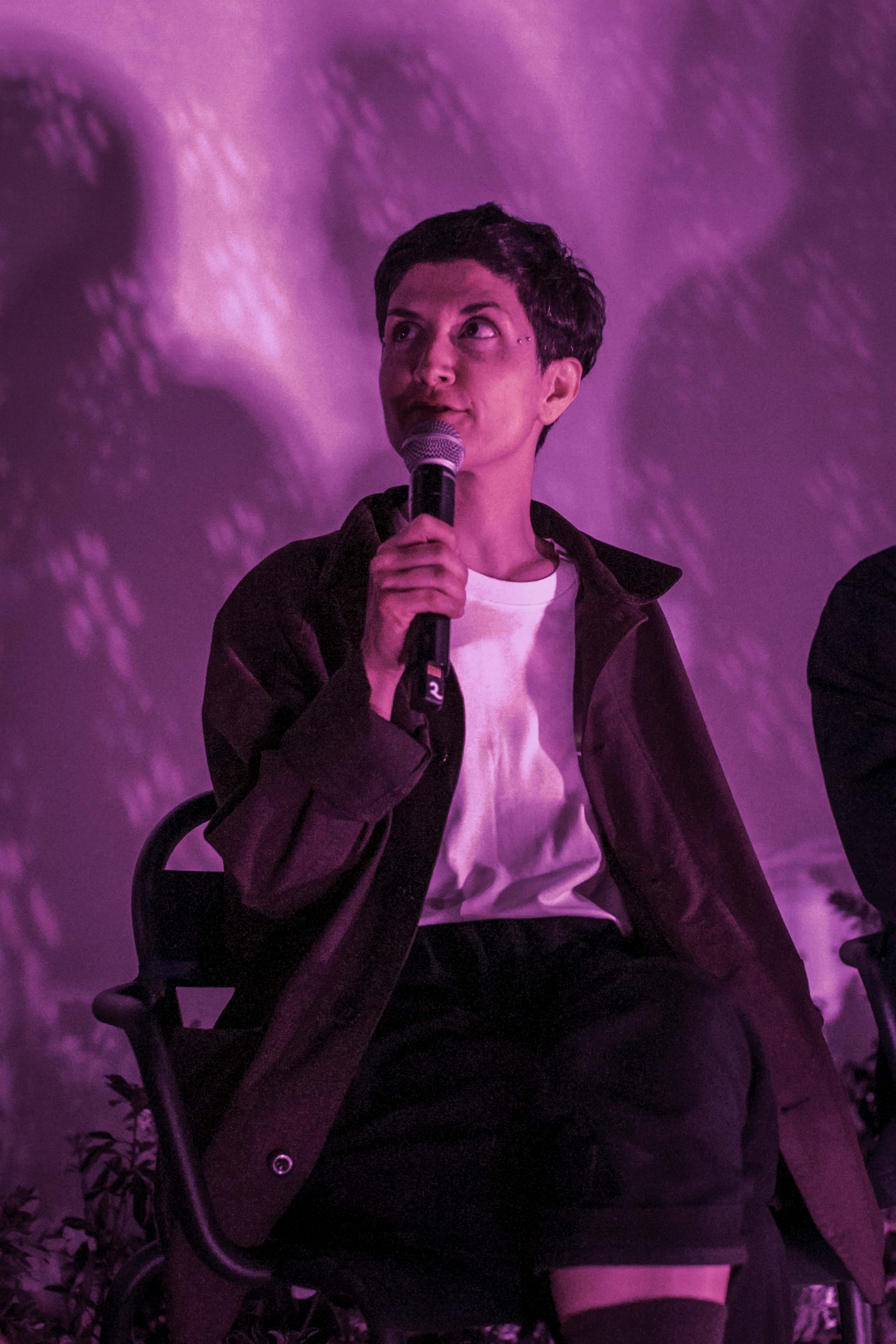
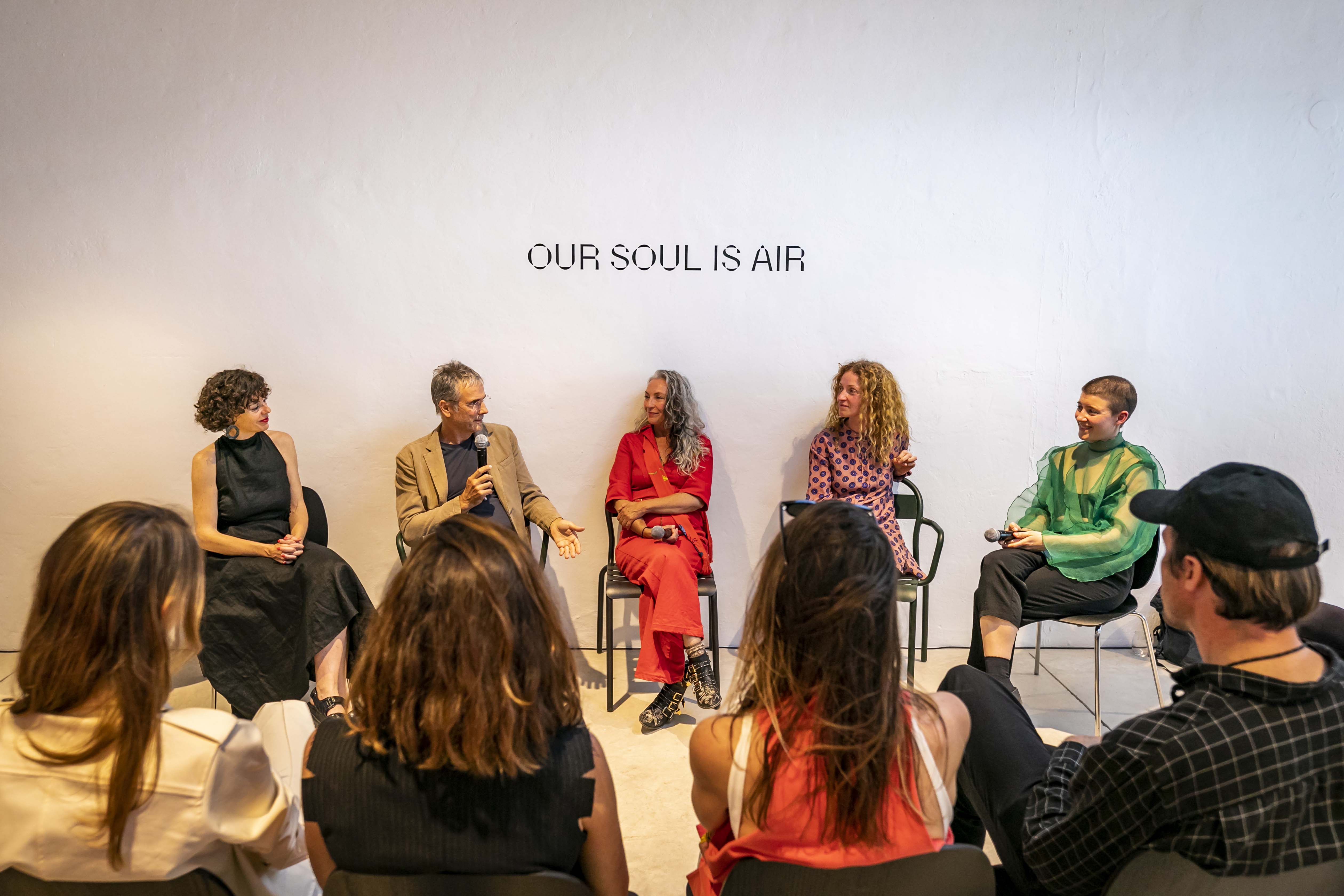
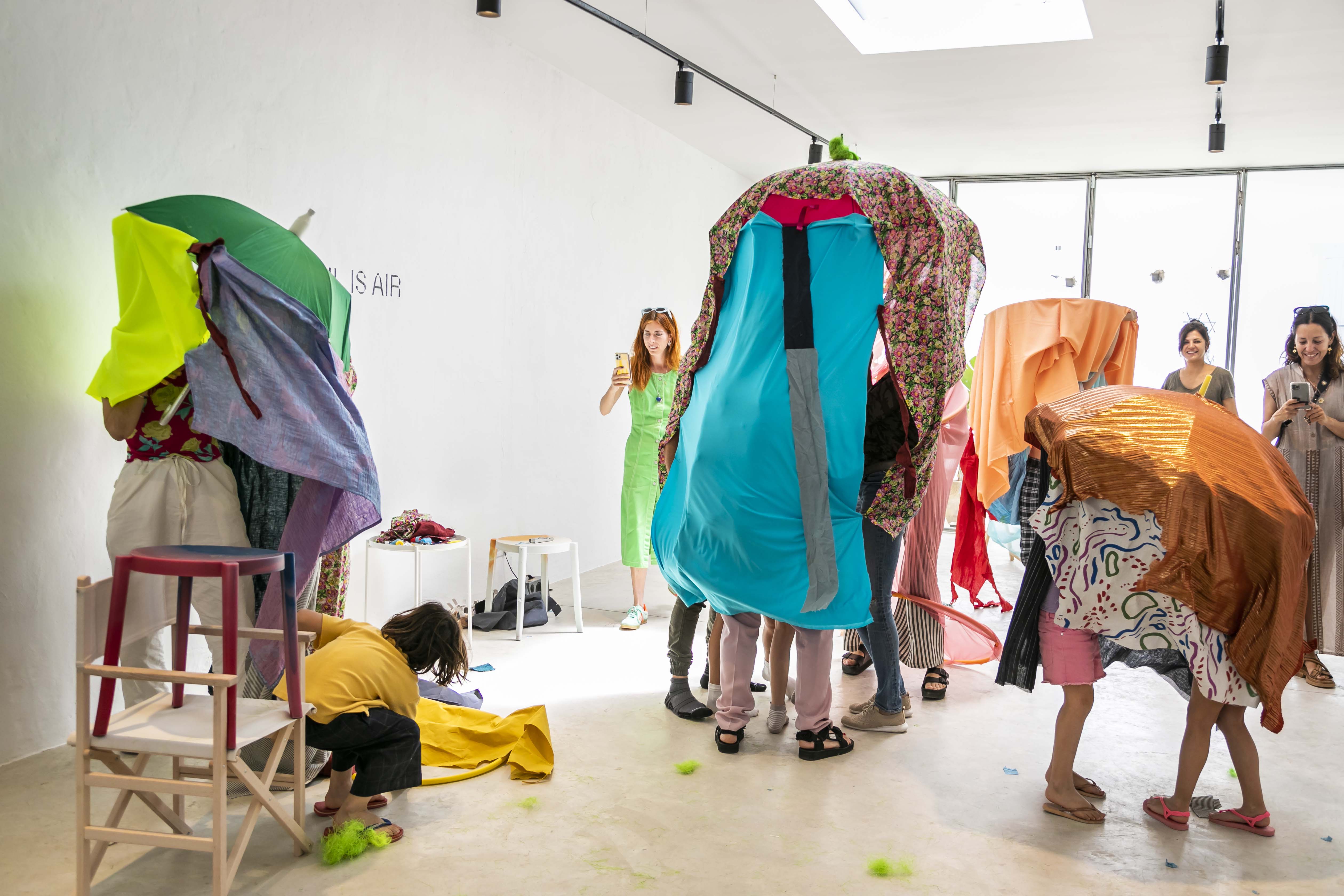
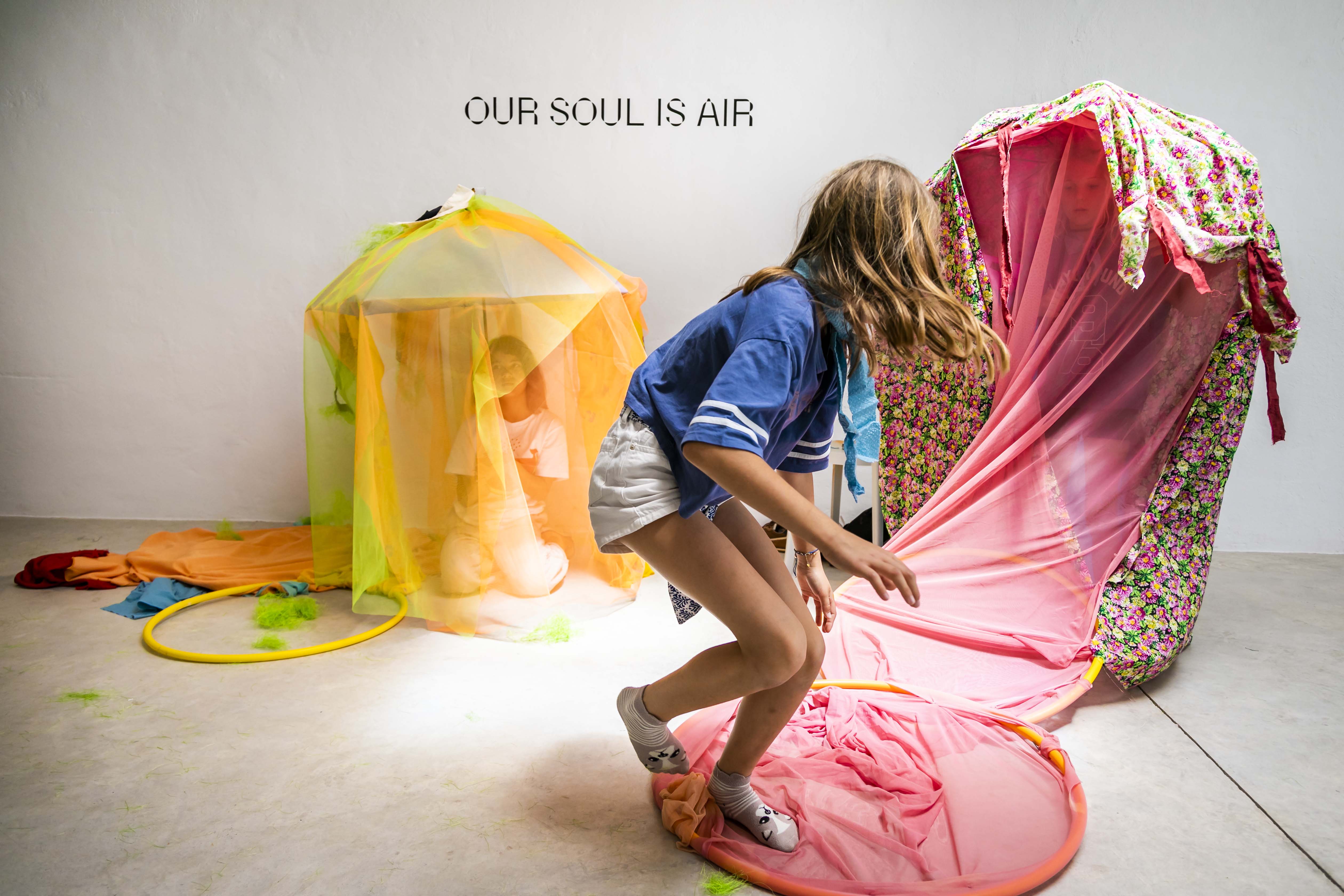
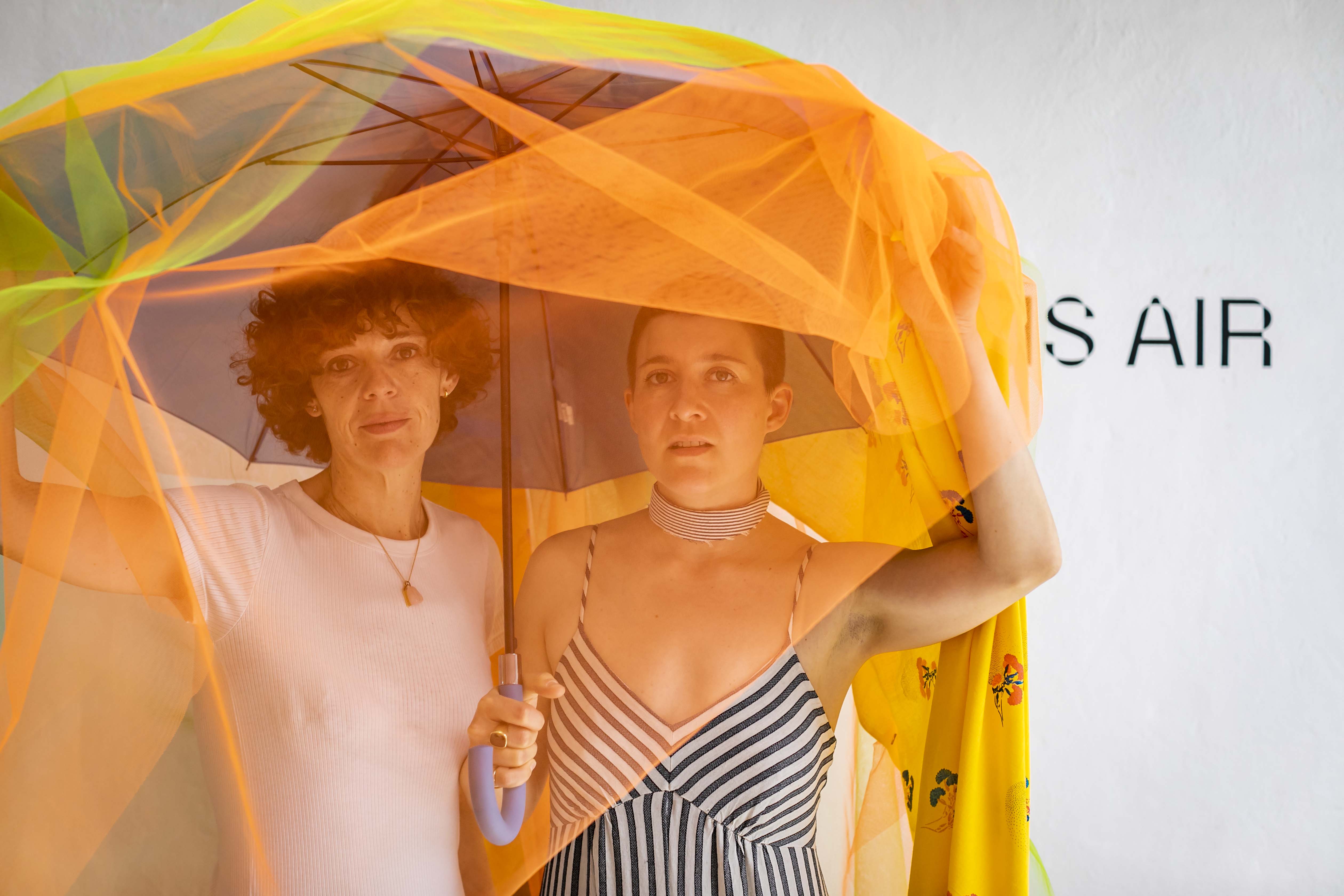
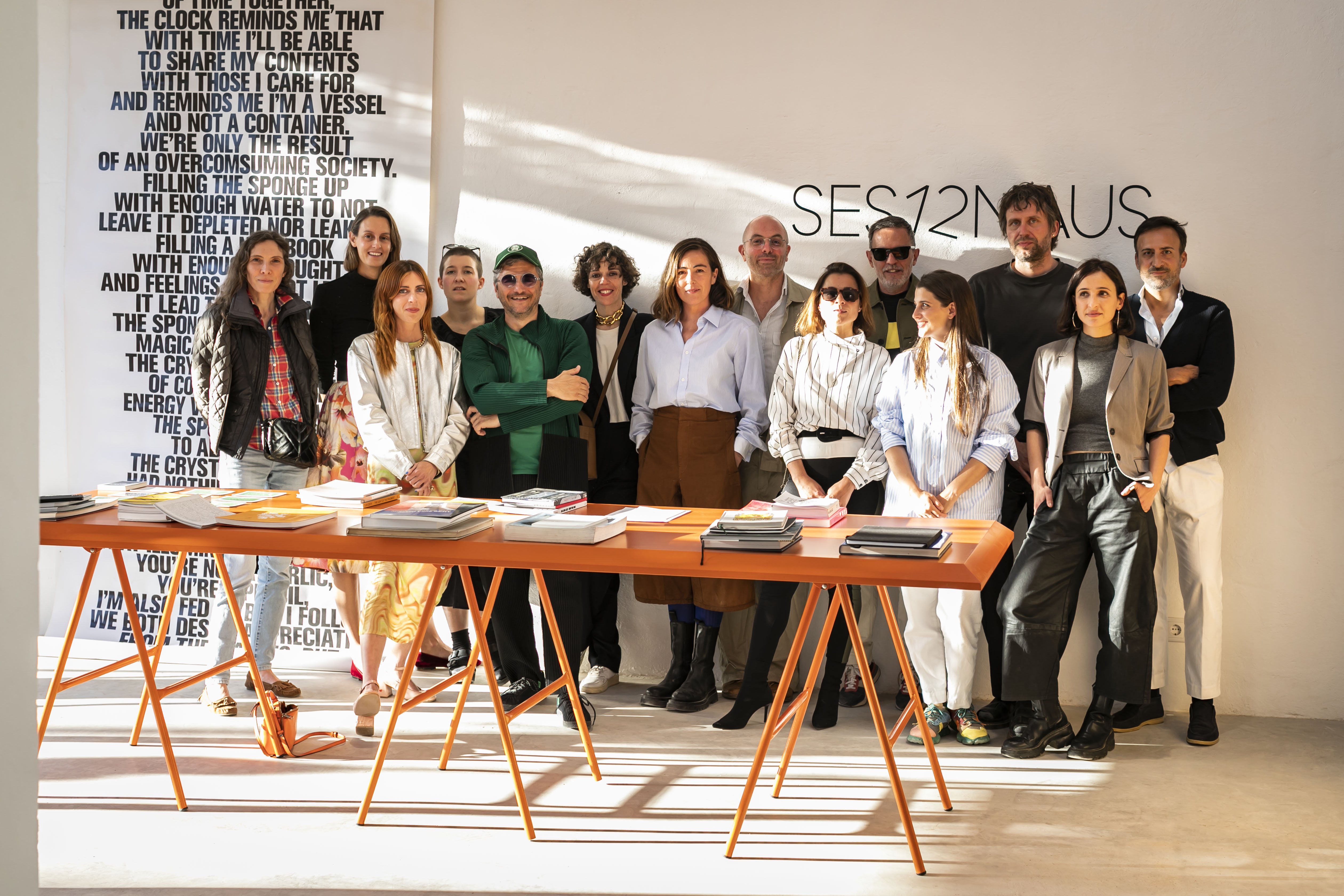
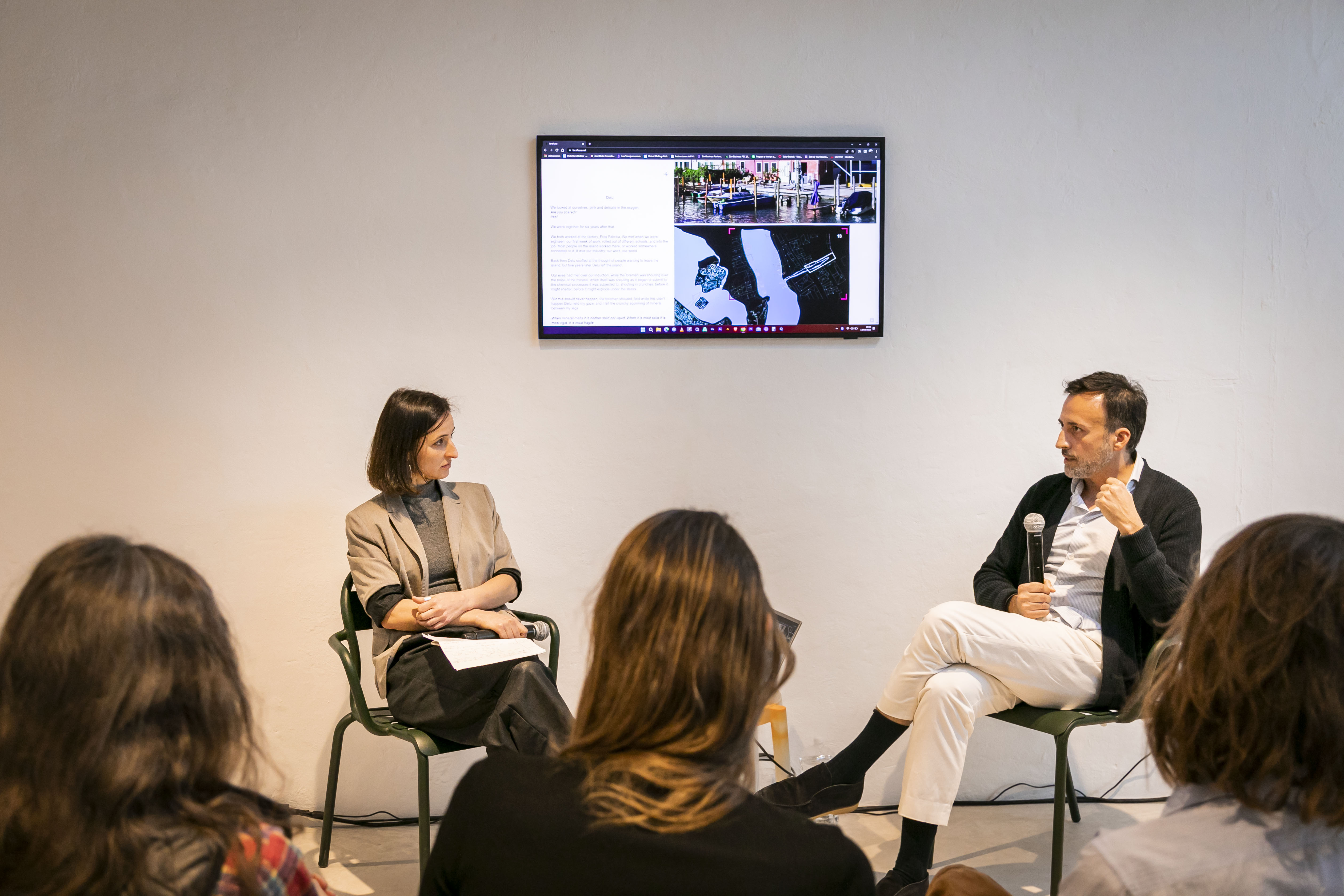
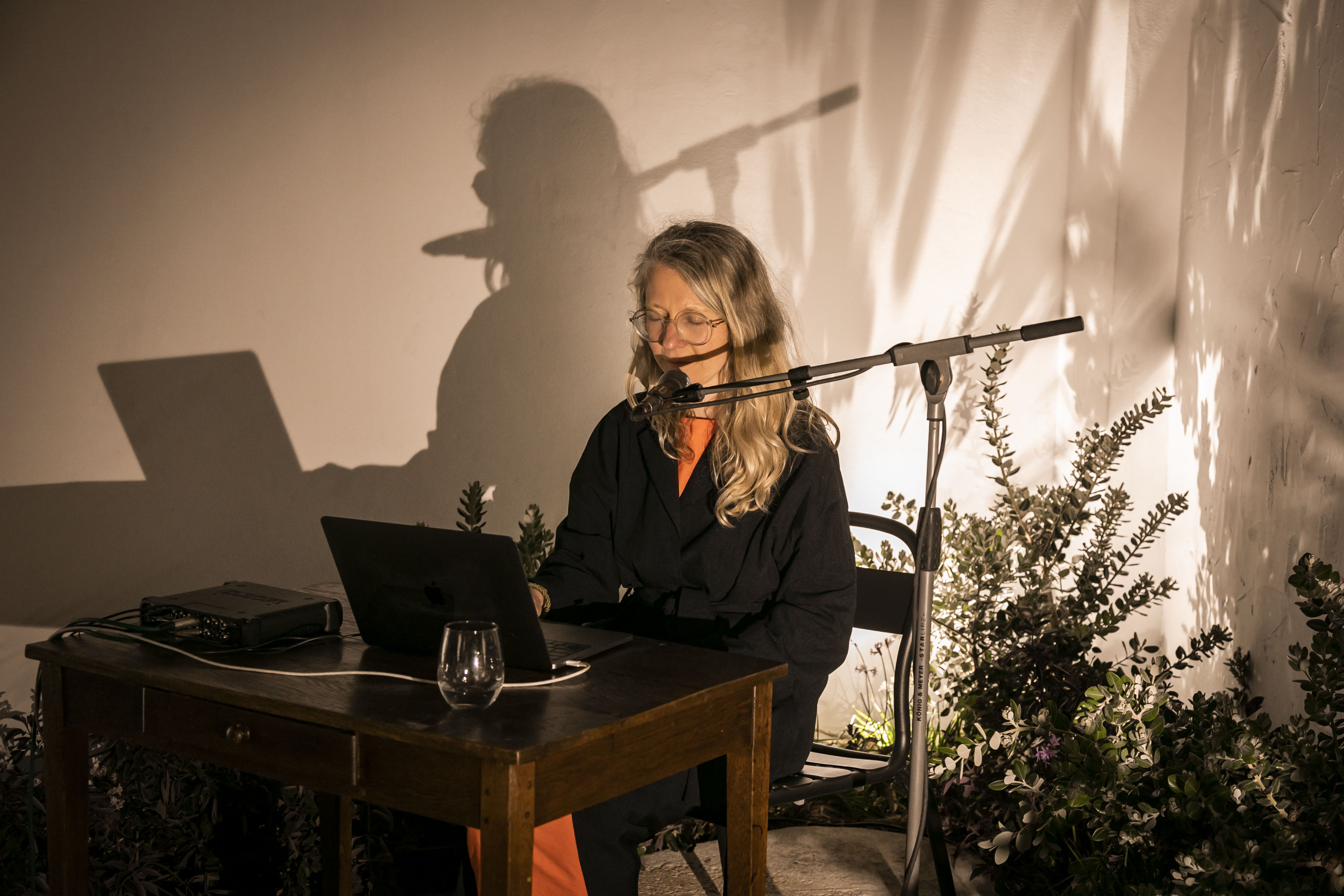
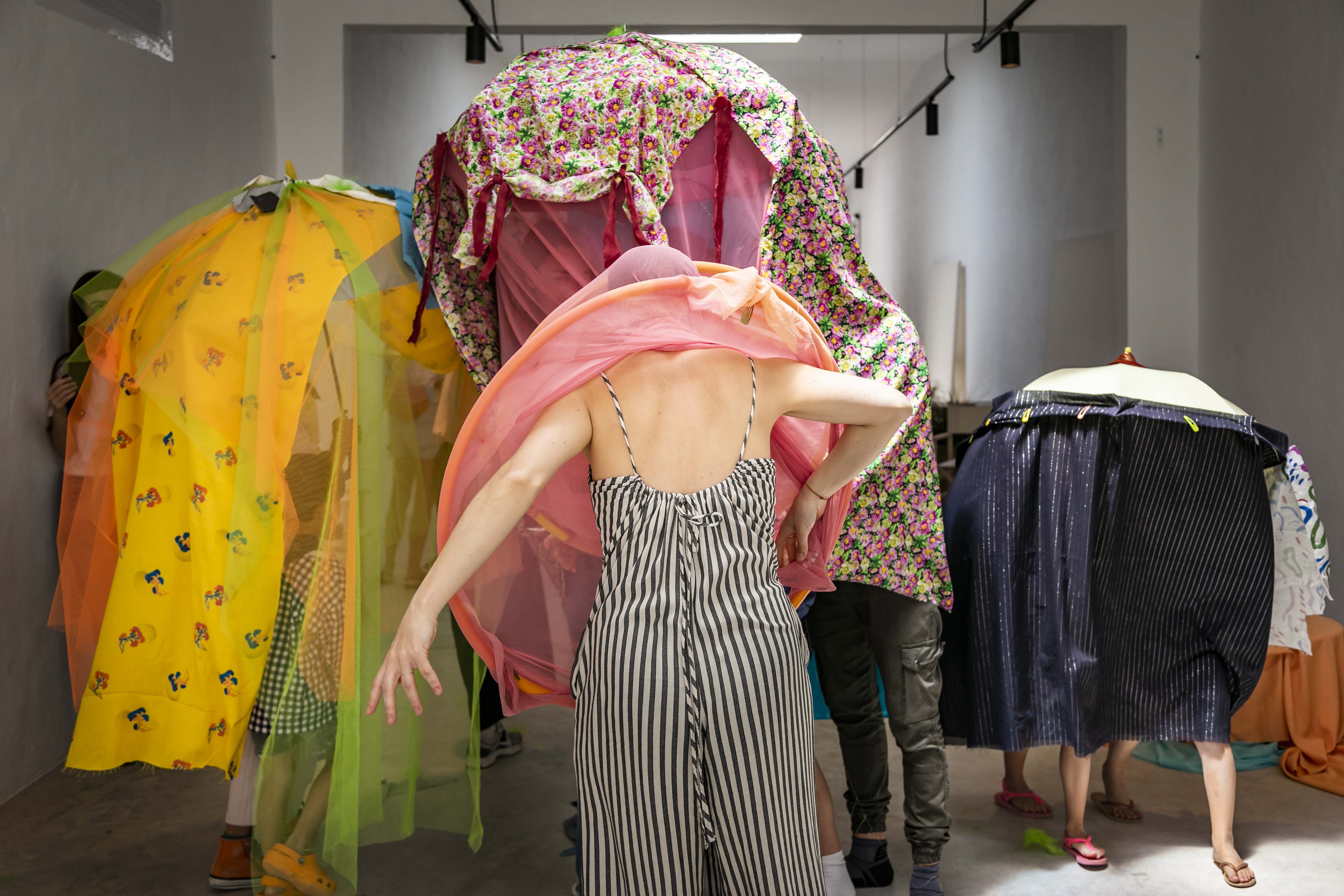
Taking inspiration from Ibiza’s century-long history shaped by successive waves of cultural blending, OUR SOUL IS AIR was a 4-day public programme spread across two weekends that used wind as its metaphorical starting point. Conceived for a broad audience, and offered largely free of charge, the programme proposed to explore Ibiza’s unique relationship to wind as both a vector of community-making and an agent of vernacular knowledge — celebrating the island as a crossroads of civilisations that have left their marks for thousands of years.
The programme unfolded across two chapters, each addressing wind not only as a physical force but as a metaphorical carrier of language, memory, ritual, movement, and transmission. Throughout its duration, wind was approached as an element that disperses seeds and stories, one that generates energy while connecting landscapes, communities, and imaginaries.
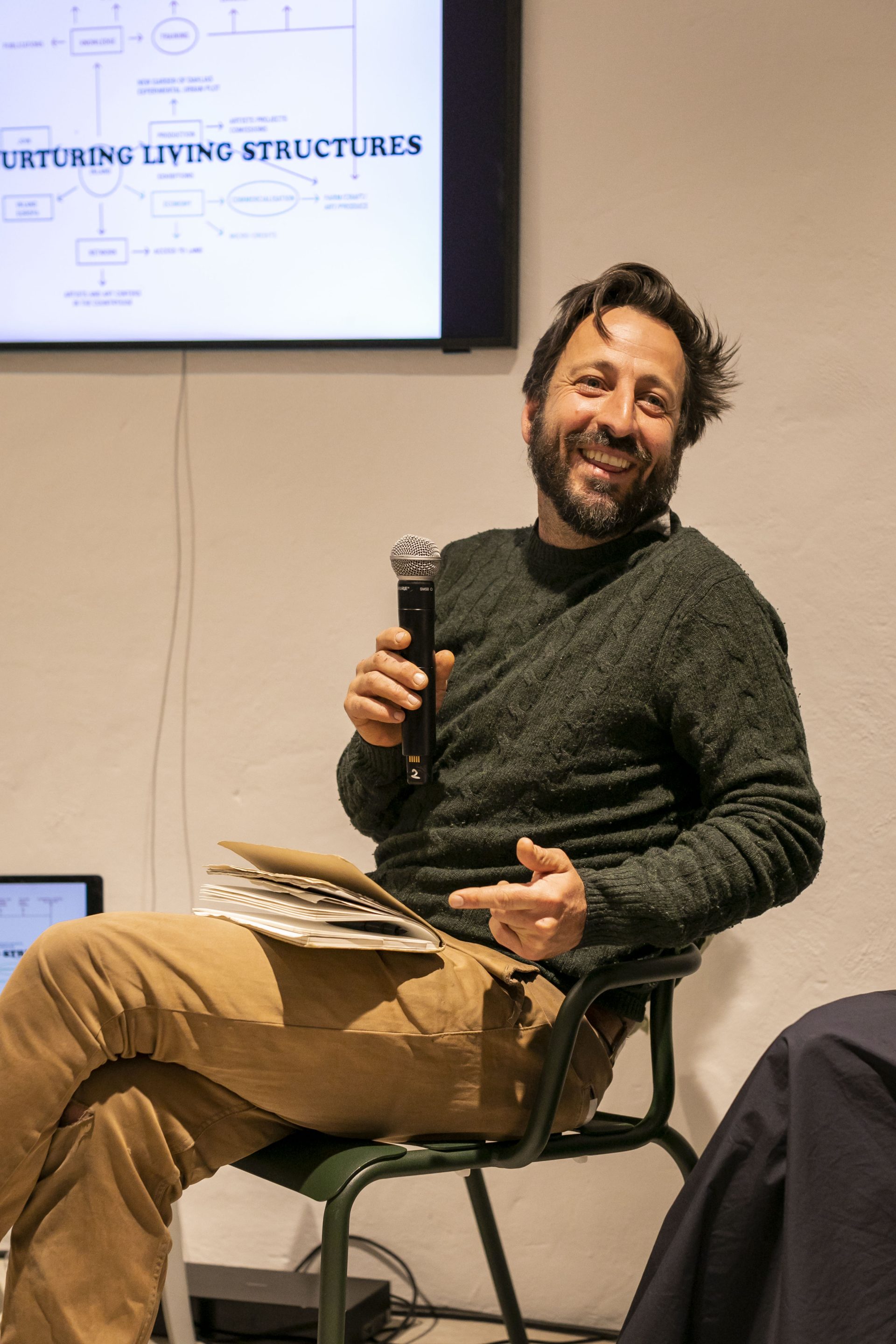
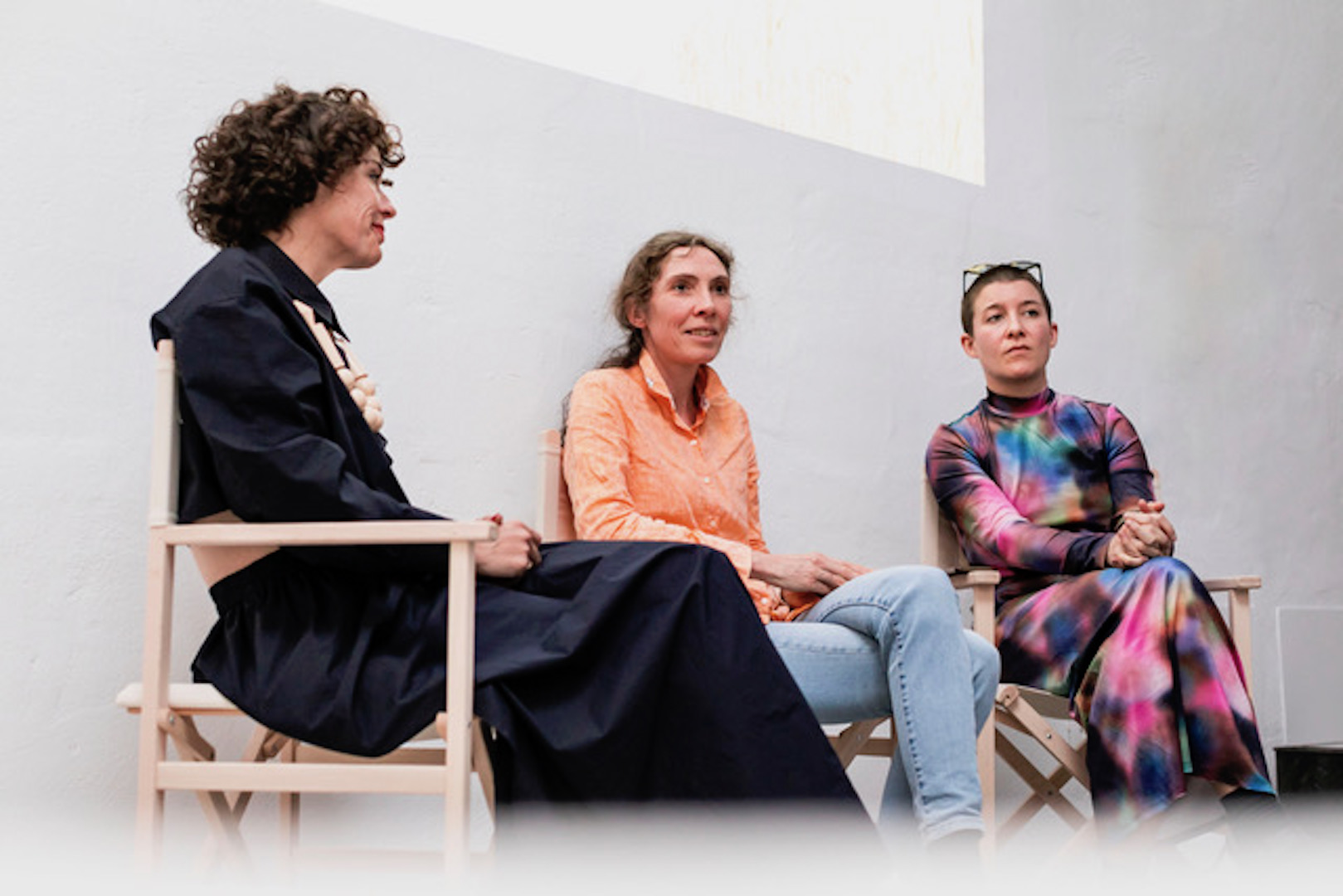
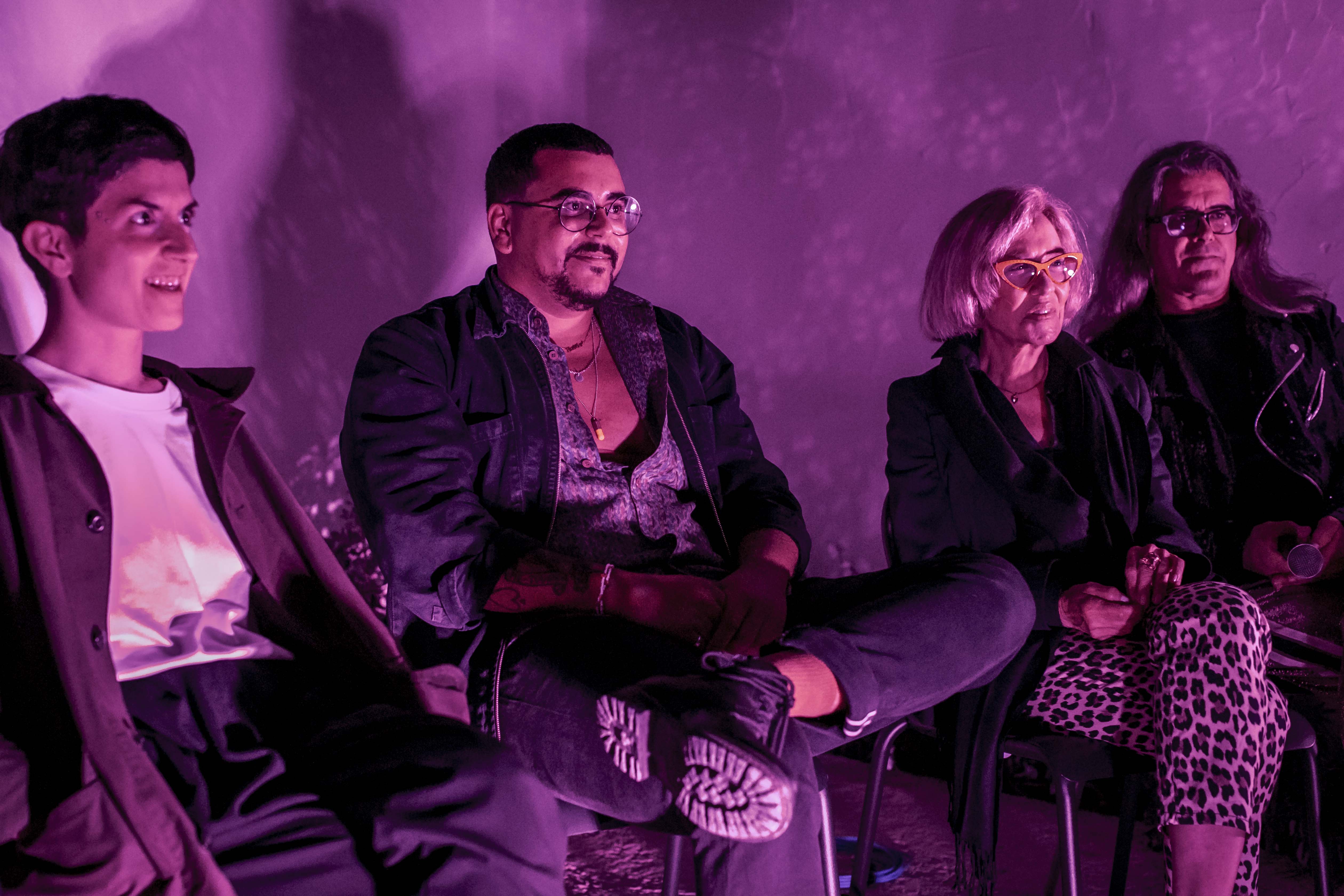
The first chapter, Rumor de un paisaje (Rumor of a Landscape), poetised the idea of wind as a generator — a bundle of energy that simultaneously spreads words and seeds while giving life to rituals and diversity. It focused on Ibiza’s natural resources, and on their role within alternative and vernacular agricultural systems, while spotlighting artistic practices inspired by natural elements. Through conversations, screenings, performances, and gatherings, it explored contemporary ways in which the rural can be a source of conscious and sharp cultural and artistic production.
The second chapter, ¿Una utopía real? (Utopia come true?), explored the imprint of Ibiza’s legacy in club and rave culture and how it has reverberated internationally. Since the 1950s, Ibiza’s dancefloors have attracted revolutionary and libertarian minds, shaping the island as a site of emancipation and collective experimentation. The chapter traced the ways nightlife has produced both a cultural mythology and a distinctive anthropological and architectural landscape, shaped by the peri-urban structures that have housed the island’s evolving scenes.
Across both chapters, OUR SOUL IS AIR proposed a reflection on Ibiza as an island shaped by circulation — of people, cultures, energies, and imaginaries — and invited audiences to reconsider wind as a force that brings together, transforms, and transmits.
Artists
Rosa Tharrats
OUR SOUL IS AIR
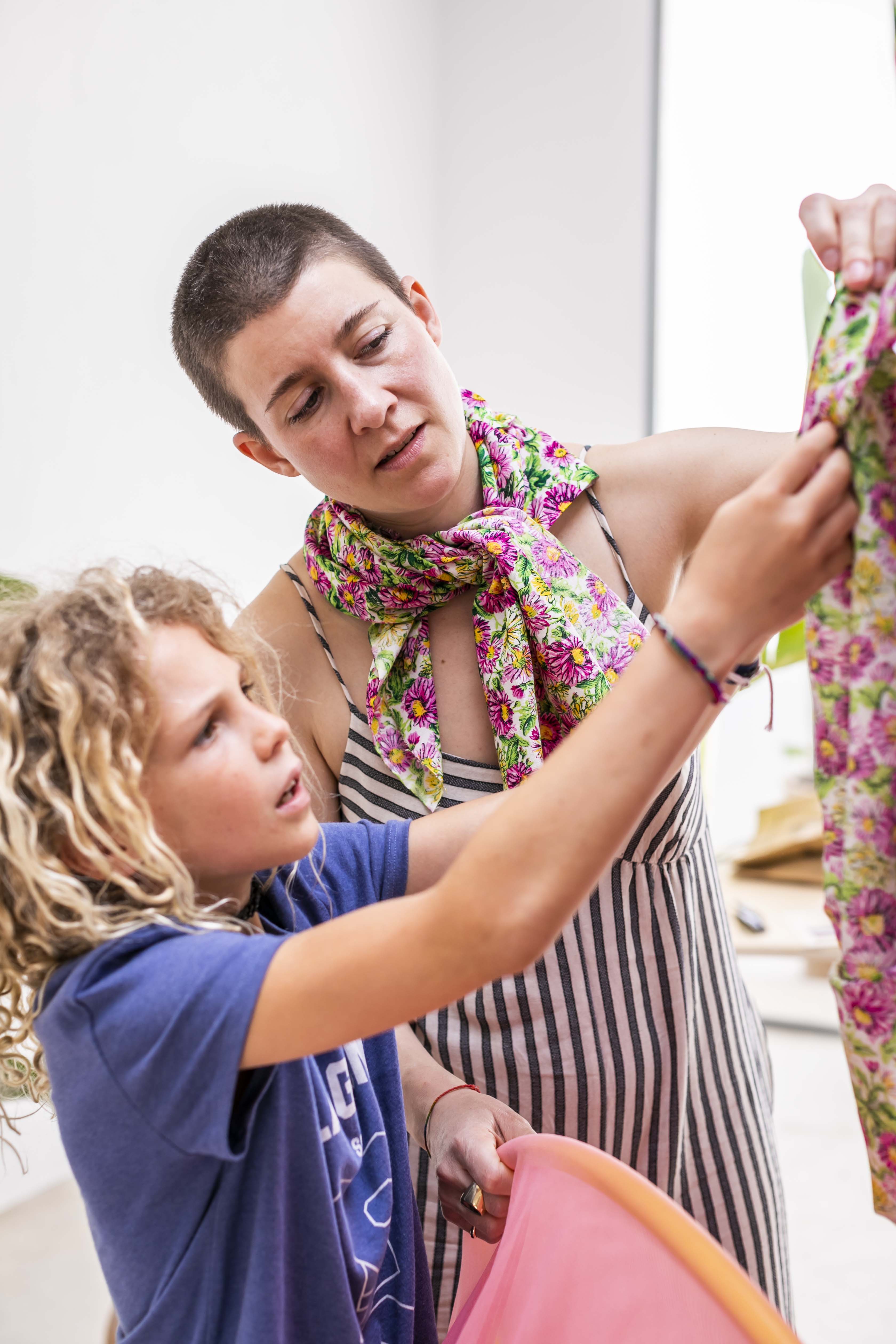
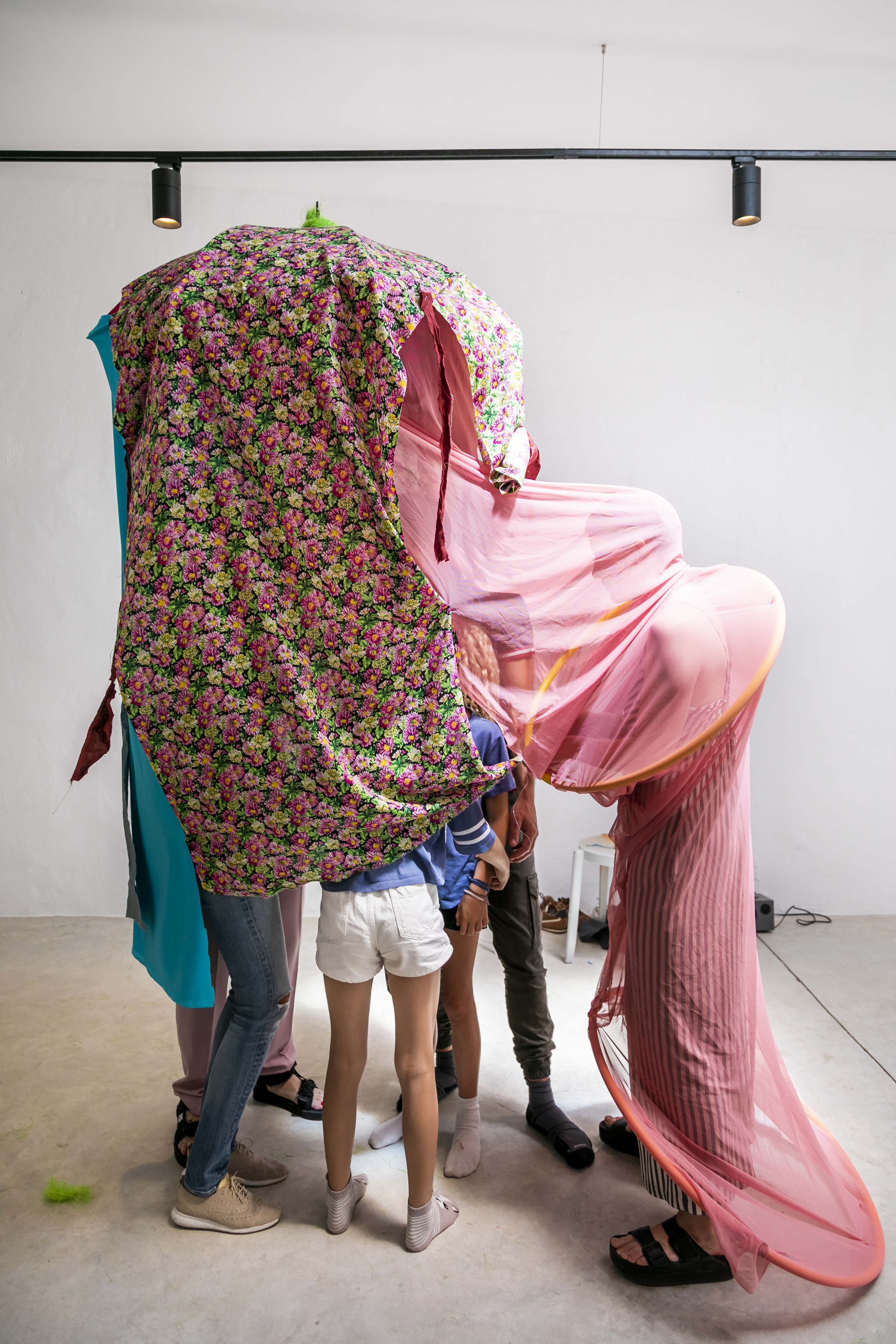
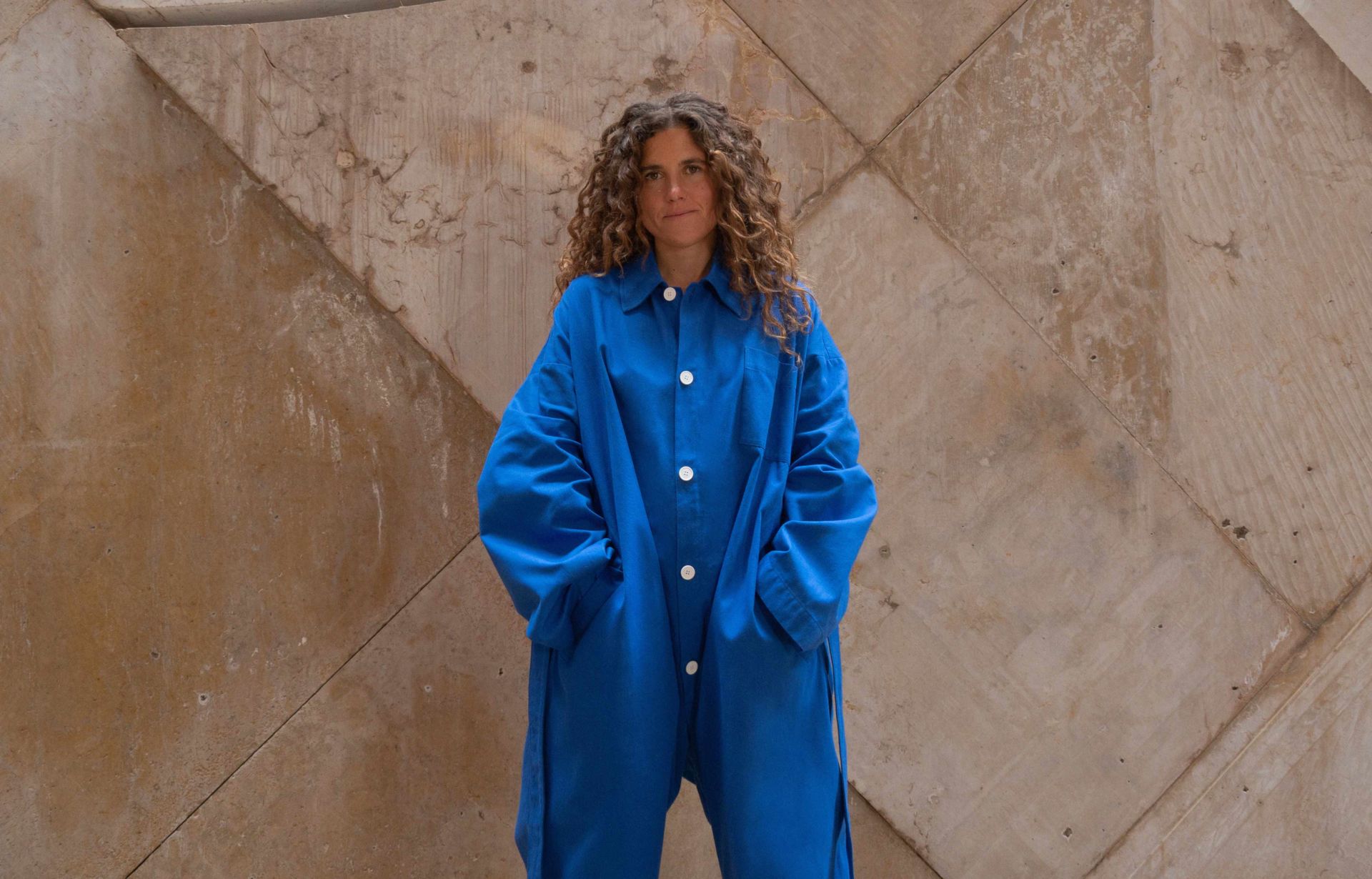
Born and based in Barcelona, Rosa Tharrats centres her practice on textiles, while also working with installation, sculpture and performance. She investigates the synchronicities and patterns of nature intuitively, tracing and modifying materials —textiles above all— to forge alliances that drive their transformation.
She disrupts their qualities and turns them into bodies that pass through notions of weightlessness, meditation and ritual. Her work explores the sensorial communication between different kinds of materials and beings, alongside concepts such as symbiosis and the nature/culture paradigm. She has exhibited at MACBA, CCCB, TBA21 Córdoba, Ehrhard Flórez (Madrid), Bombon Projects, Art-o-Rama (Marseille) and the Apulia Land Art Festival, among others.
Residency: OUR SOUL IS AIR
Sarah Ancelle Schönfeld
OUR SOUL IS AIR
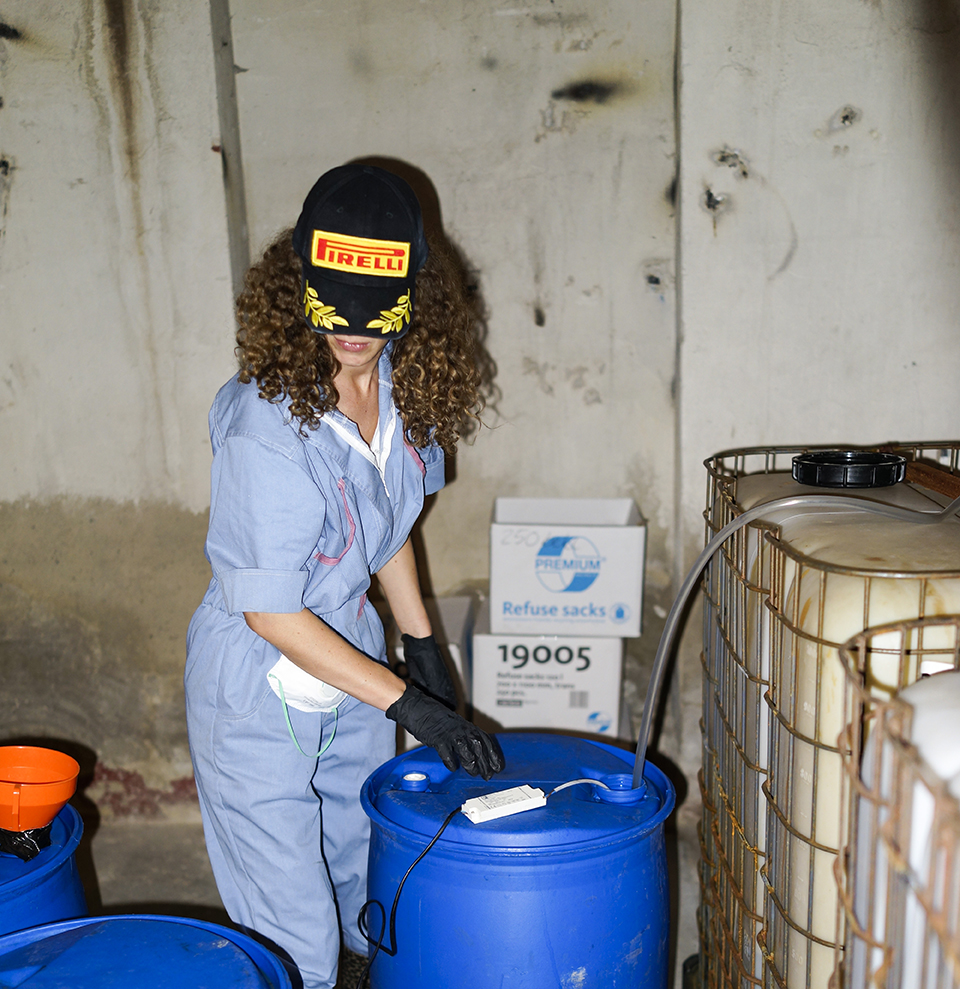
Born and based in Berlin, Sarah Ancelle Schönfeld begins from the conviction that our liberal Western understanding of the world is not enough to confront the problems accumulating across the planet. She designs mysterious laboratories and treatments in which to elaborate, from scratch, solutions, cures and meanings through radically interdisciplinary methods, humorously updating so-called folk wisdoms.
Her laboratories take the form of installations, performances, sculptures, instruments, photographs and collages, drawing on science, religion, mythology, magic and technology to investigate the ways in which knowledge and truth are generated to constitute what we call reality. She has exhibited at HKW Berlin, Berghain / Boros Collection, MAK Vienna, Hamburger Kunsthalle and Fotomuseum Winterthur, among others.
Residency: OUR SOUL IS AIR
Web: sarahschoenfeld.de
Mathilde Rosier
OUR SOUL IS AIR
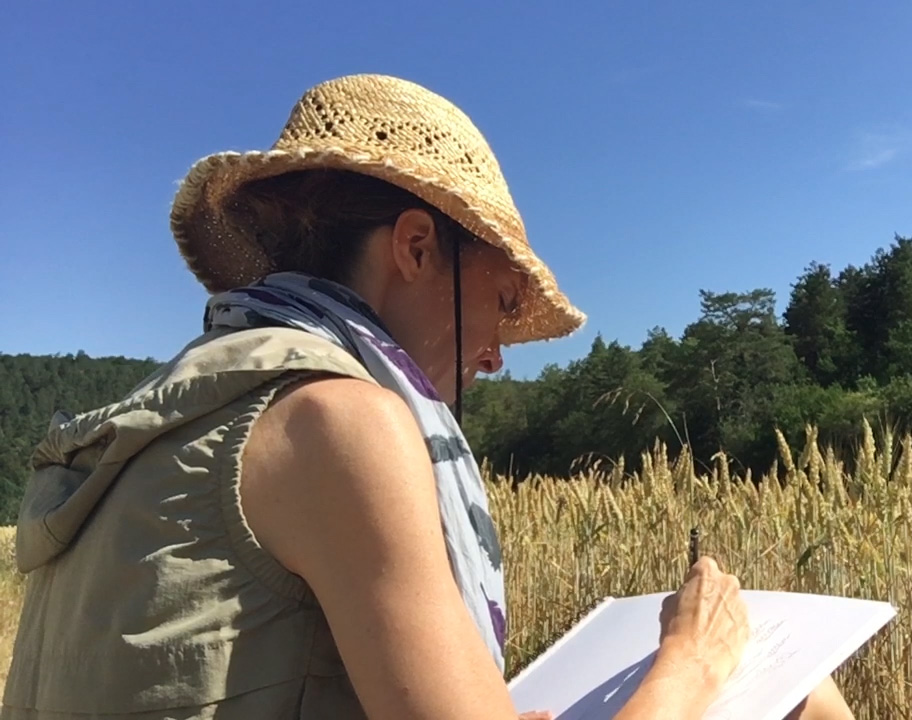
Born in Paris and working between French Burgundy and Basel, Mathilde Rosier develops a body of work rooted in her interest in the physical and psychological experience of ancient rituals. Her research takes the form of fictional ramifications and narrative fragments where constellations of garments made by the artist herself and mystical depictions of animals and plants inhabit a kind of abandoned stage set.
Combining painting, film, dance and theatre, she builds dreamlike situations that open a portal between the conscious and the unconscious, while inviting a reflection on how human activity might be harmoniously reintegrated into its environment. Recent exhibitions include Fondation Pernod Ricard (Paris), MADRE Museum (Naples), MASP (São Paulo), Camden Arts Centre and Serpentine Gallery (London).
Residency: OUR SOUL IS AIR
Web: @mathilde_rosier
Carolina Jiménez
OUR SOUL IS AIR
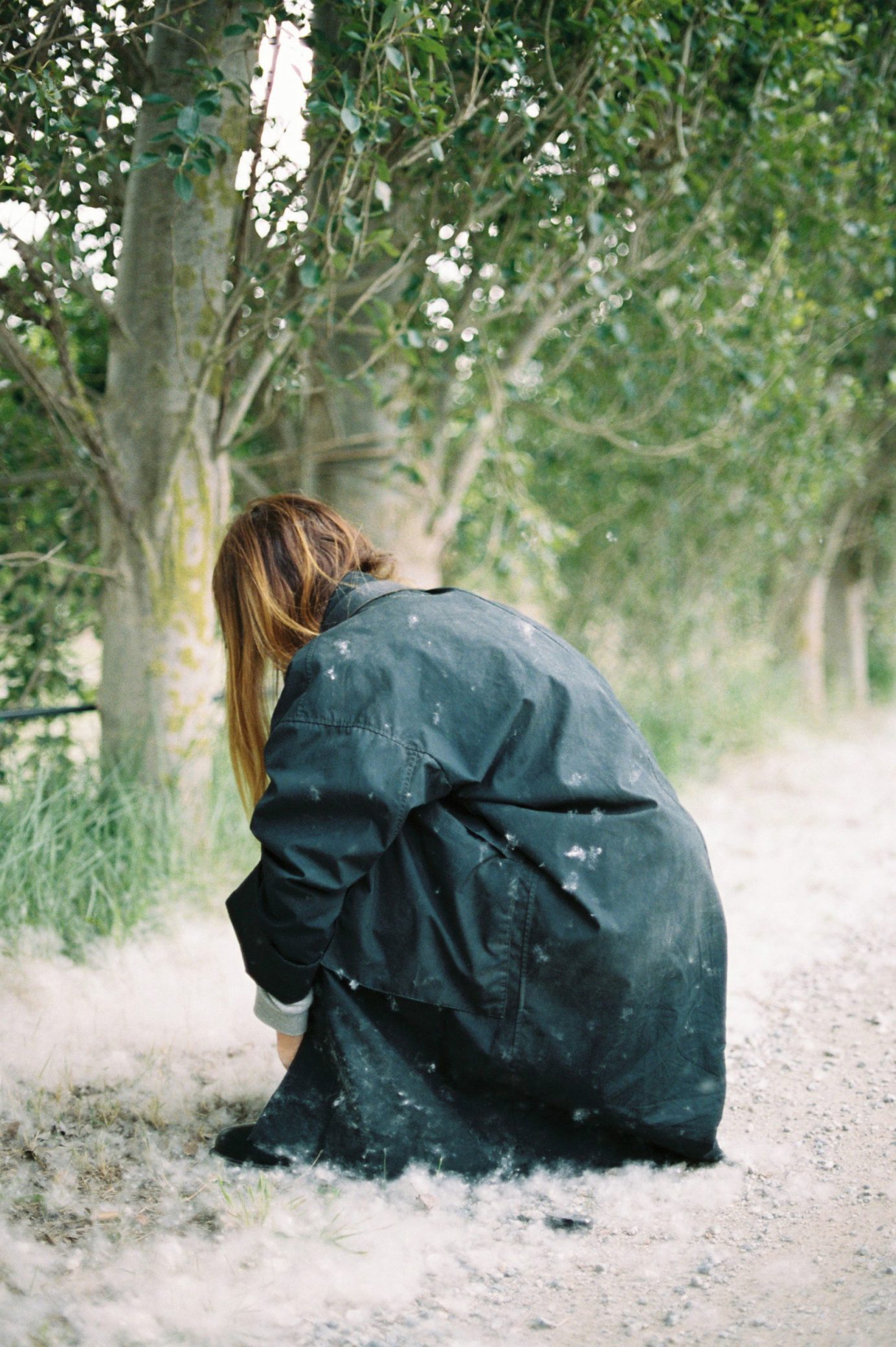
Born in Madrid and based in Barcelona, Carolina Jiménez is a curator and researcher. Her work centres on listening in its epistemological, ontological, ethical and political dimensions, with particular interest in the ways knowledge is prioritised and in the systems that determine the agential cuts between enunciation and listening. She combines her practice as an independent curator with institutional work: she currently coordinates the research and knowledge-transfer programmes at Hangar, and previously served as academic coordinator of the Independent Studies Programme (PEI) at MACBA.
She has curated projects at La Casa Encendida, Matadero Madrid, TBA21, SAVVY Contemporary, Transmediale–CTM Vorspiel and Bethanien, among others. She hosts the music programme Rhythm is Rhythm on community radio dublab.
Residency: OUR SOUL IS AIR

Laura De Grinyo
TAULA-01, OUR SOUL IS AIR
Born and rooted in Ibiza, Laura De Grinyo is an artist whose practice revolves around ceramics and, by extension, the element of earth. In parallel, her great passion is music — and specifically the study of the theremin, a singular instrument she has been learning for the past two years under her teacher Victor Estrada. Originally known as the etherophone, the theremin is the first known instrument of electronic music and, to this day, the only one in history that is played without physical contact, drawing notes from the air through the movement of the hands. De Grinyo's work moves between two seemingly opposite elements —earth and air— which in her practice find common ground: attention to gesture and material.
Residency: OUR SOUL IS AIR
Web: @ladio_lauradegrinyo
Fernando García Dory
OUR SOUL IS AIR
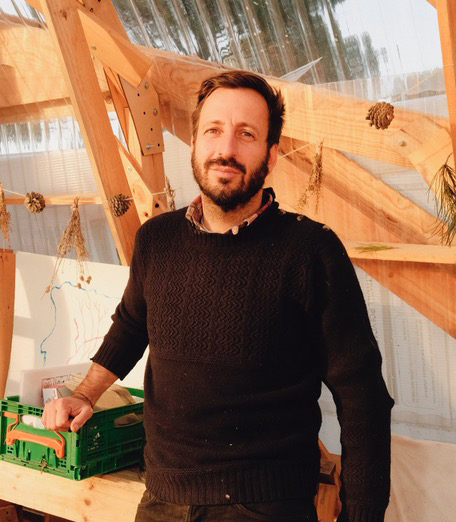
Born in Madrid, where he lives and works, Fernando García Dory centres his practice on the relationship between culture and nature, articulated across multiple contexts ranging from landscape and the rural to the desires and expectations tied to identity, crisis, utopia and social change. He is interested in the connections and cooperation found in microorganisms and social systems alike, in traditional languages such as drawing, and in collaborative agroecological projects and cooperatives.
He studied Fine Arts and Rural Sociology and is currently preparing a PhD in Art and Agroecology. He has exhibited at Museo Reina Sofía, SFMOMA, Centre Pompidou, Van Abbe Museum, Tensta Konsthall and documenta 12, as well as the Gwangju, Istanbul and Athens biennials. Since 2010 he develops the parainstitution INLAND.
Residency: OUR SOUL IS AIR
Lara Fluxà
OUR SOUL IS AIR
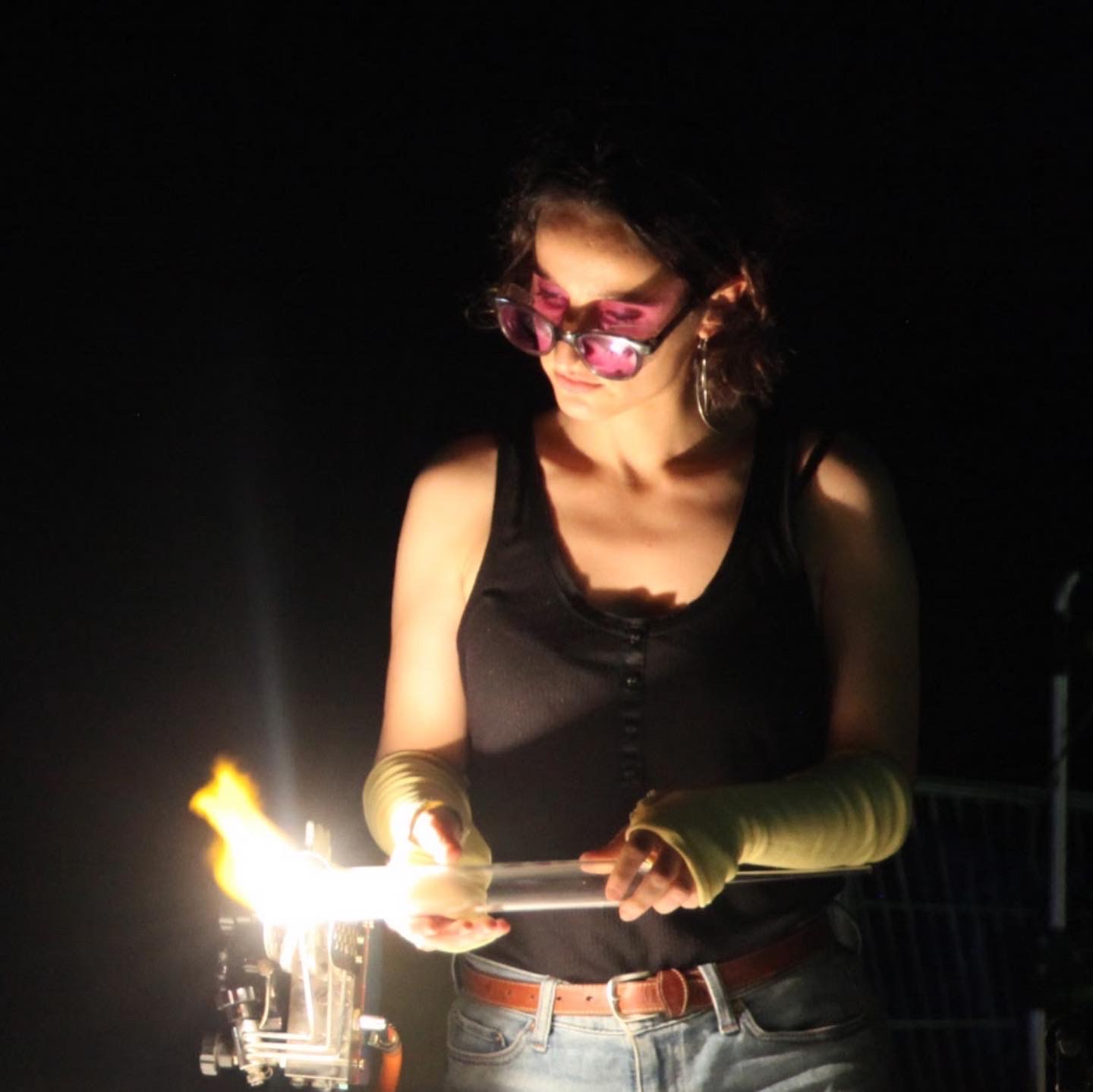
Born in Palma and based in Barcelona, Lara Fluxà generates scenes and landscapes that seek neither order nor dominance, but rather make visible the fragility of the environment and the need for our understanding and attention. Her places call for responsibility and care, demanding that we consider the gravity of our bodies and the direction of our actions: entering these already-inhabited spaces means sharing existence from within difference, in a universe of organic forms that await our presence under the horizon of responsibility, vibration and play.
She has taken part in the Catalan Pavilion at the 59th Venice Art Biennale, as well as in exhibitions at the Joan Miró Foundation, Es Baluard, Casal Solleric, Lo Pati, the Maritime Museum of Barcelona and Arts Santa Mònica.
Residency: OUR SOUL IS AIR
Web: larafluxa.net
Sonia Ferrer
OUR SOUL IS AIR
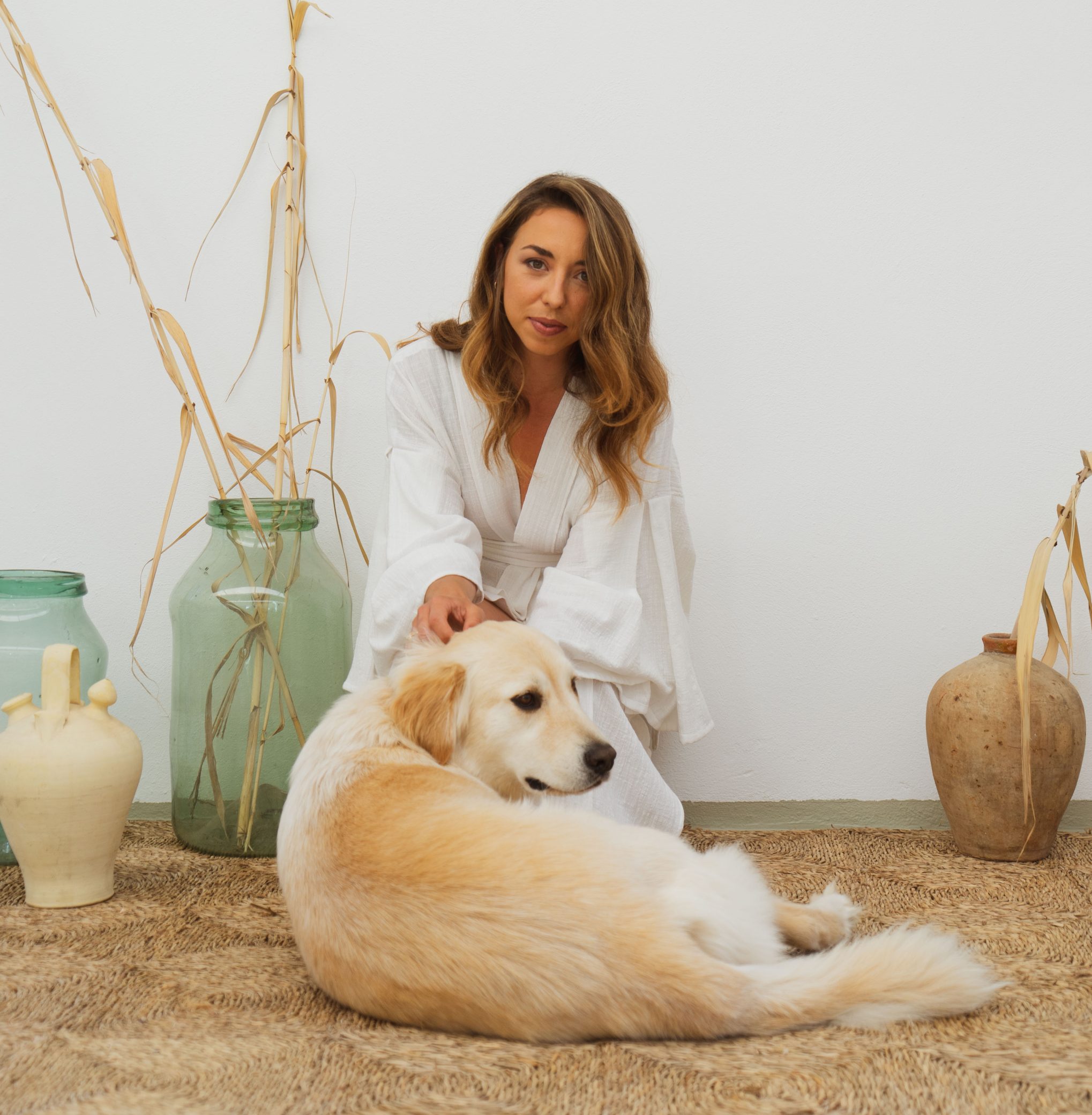
Descended from a long Ibizan lineage, Sonia Ferrer trained in fashion at IED Madrid and is the founder and designer of DELBES IBIZA, a label born to reveal the lesser-known Ibiza and preserve its techniques and craft. From her studio atop a mountain in the north of the island, she creates pieces in absolute coherence with everything she believes in.
The traditional Ibizan dress and the ball pagès are part of her roots and the signature of DELBES: respecting their origin, she transforms them and brings them into the present in a process closer to artwork than product. Her production is 100% handcrafted and local, with 100% natural fabrics and a firm commitment to renewable energy. In her free time, she keeps alive one of the island's traditions: the crit d'UC.
Residency: OUR SOUL IS AIR
Web: delbesibiza.com
Sonia Fernández Pan
OUR SOUL IS AIR
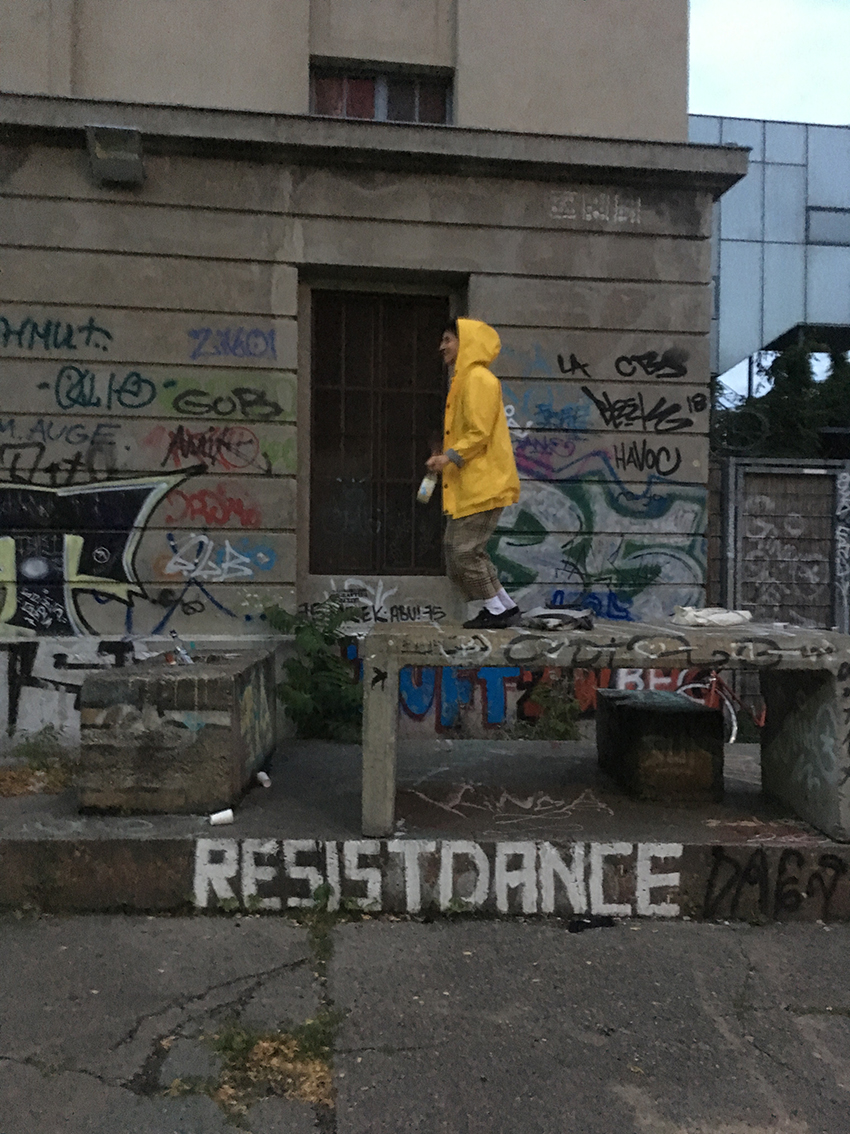
Born in Vitoria and based in Berlin, Sonia Fernández Pan writes, develops (in)dependent curatorial projects and dances in the anonymity of the floor. Conversation, friendship and entropy are part of her research methodology, articulated through the continuous exchange of gestures and ideas with others. Her practice moves between writing, collective listening and the dancefloor as spaces where thought, body and night meet and continuously reconfigure one another.
Residencia: OUR SOUL IS AIR
Web: @sf_pan
Félicia Atkinson
OUR SOUL IS AIR
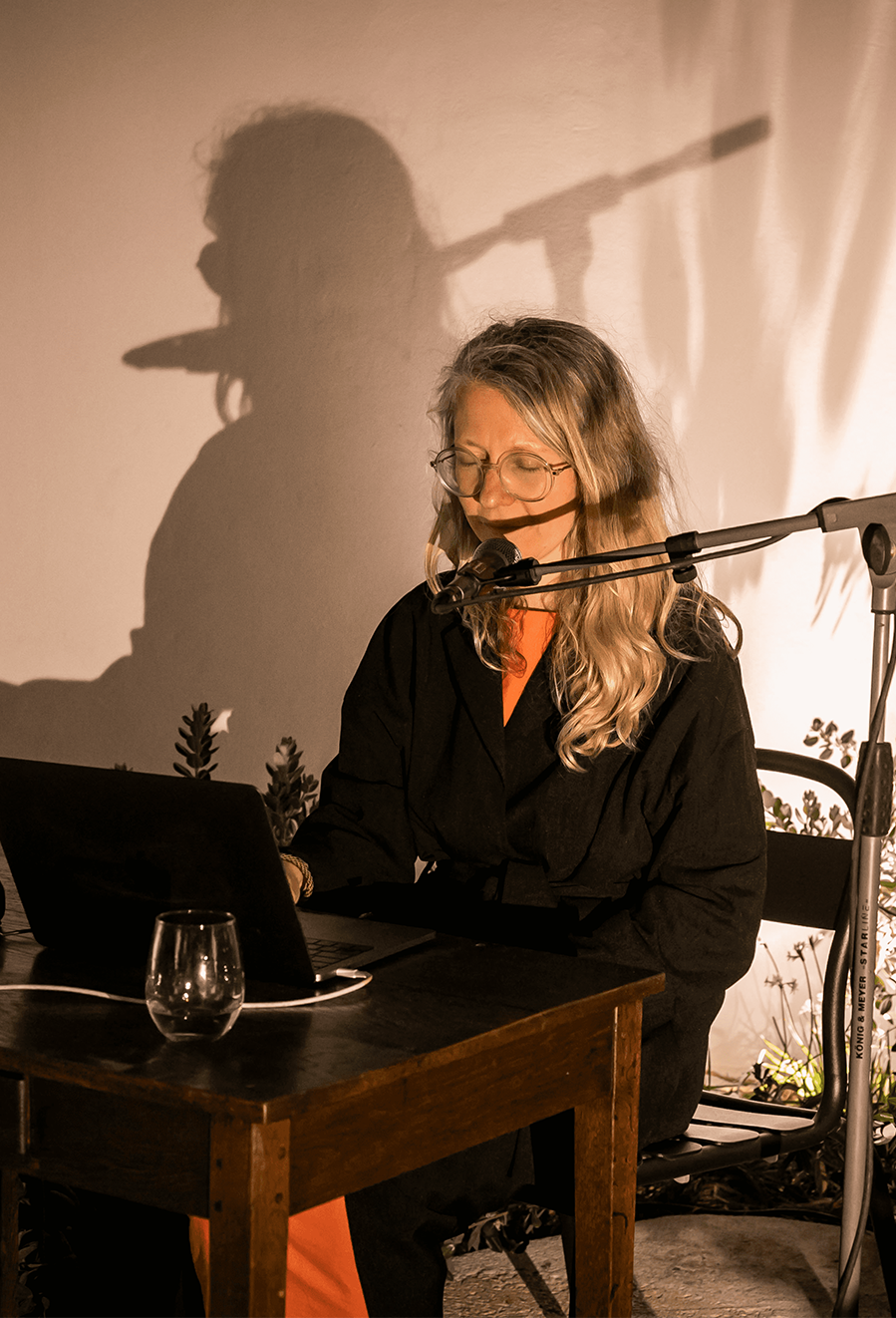
The work of French musician and artist Félicia Atkinson explores, through recordings, books and performance, the emotional and spiritual frequencies of an inner life in constant movement. Voice and text are central elements of a practice that uses language to inhabit an interstitial space between private thought and public expression. Together with Bartolomé Sanson, she co-runs Shelter Press, a publishing platform devoted to sound, art and writing.
Residency: OUR SOUL IS AIR
Web: @felicia_atkinson
Contents